

 Tiếng Việt
 日本語
日本語 한국어
한국어 中文 (中国)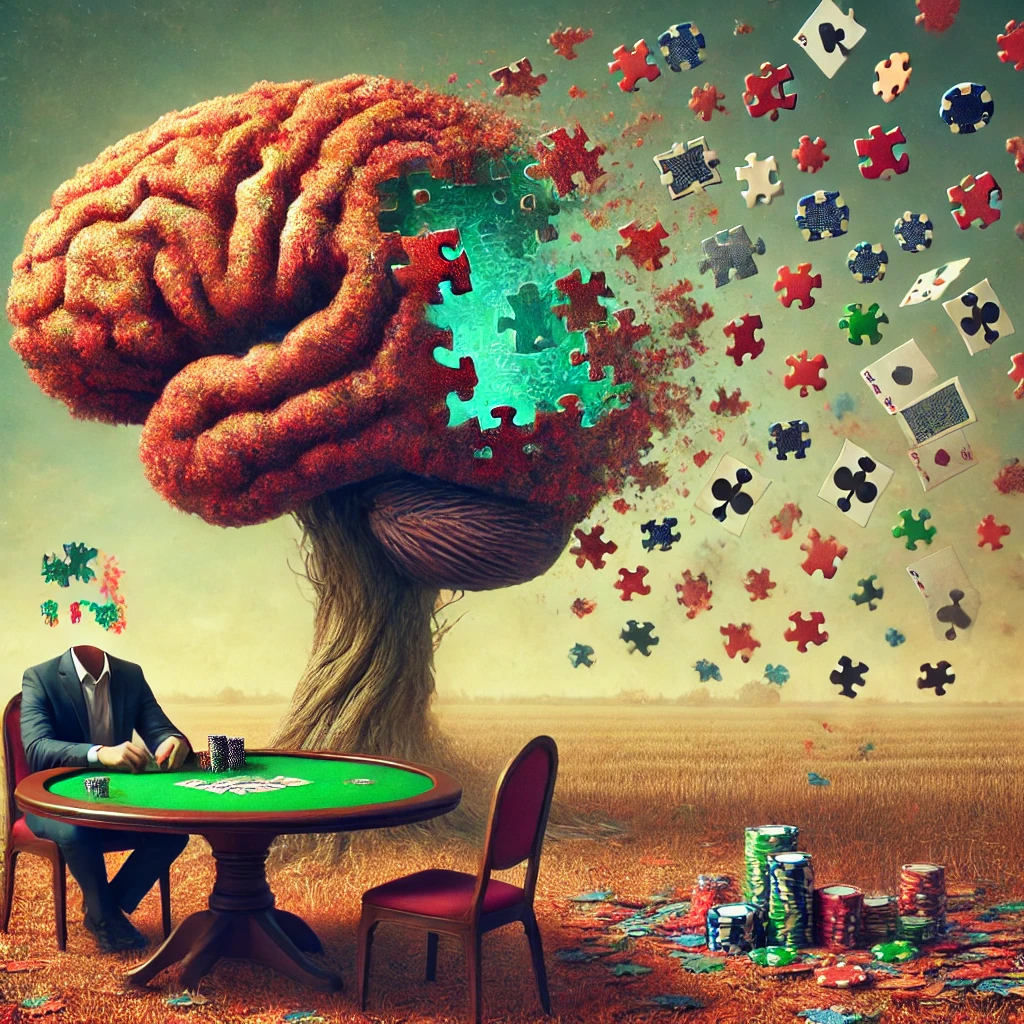
Selective memory can be extremely dangerous for both gamblers and investors because it causes them to be biased in how they remember and evaluate the past, leading to poor decision-making. Here are some key reasons why:
1. Creates an Illusion of Success
- Gamblers: They tend to vividly remember big wins while downplaying or forgetting losses, making them believe they have an advantage and encouraging them to keep playing even when the odds are against them.
- Investors: They may only recall profitable investments while ignoring losses, leading them to overestimate their abilities and take on excessive risks.
2. Leads to the “Near-Win Effect”
- Gamblers: When they almost win, they remember those moments more strongly, making them believe they were “close” to success and motivating them to keep betting.
- Investors: If an investment almost turned profitable but ended in a loss, they might dismiss it as “bad luck” rather than a miscalculation, leading to repeated mistakes.
3. Prevents Learning from Failures
- Gamblers: By forgetting losses, gamblers fail to recognize that gambling is designed to favor the house, leading them to keep playing despite consistent losses.
- Investors: If they ignore past investment mistakes, they won’t adjust their strategies, leading to repeated errors such as following market hype or making emotional decisions.
4. Creates an Illusion of Control
- Gamblers: They may believe they can predict or influence the outcome of a game of chance (such as rolling dice or spinning a roulette wheel), when in reality, the results are entirely random.
- Investors: They may believe they can predict market movements with certainty, leading to reckless investments and a lack of portfolio diversification.
5. Encourages Risky Behavior
- When people selectively remember successes or “near wins,” both gamblers and investors may continue making high-risk decisions, potentially leading to significant financial losses.
In summary, selective memory distorts perception of reality, causing gamblers and investors to make irrational decisions and fall into a cycle of losses and high-risk behavior.

ARTICLES IN THE SAME CATEGORY
Memory Is Not a Camera: Understanding It Correctly to Argue Less with Ourselves
When Attention Is Fragmented: How to Regain the Ability to Focus in a Distracted Life
Healthy Boundaries: How to Protect Yourself Without Becoming Cold
Knowing What Is Right Is Still Not Enough: Why It Is Difficult for People to Change Their Habits
Familiarity Is Not the Truth: Recognizing Reasoning Traps in Everyday Life
A Wise Pause: How to Make Decisions When You Cannot Yet Know the Future for Certain
ARTICLES IN THE SAME GENRE
“Not Gambling Is Victory”: Reflections from Those Who Awaken at the End of the Dark Tunnel
Why Cambodia Has Become a Haven for Scam Syndicates
Why do gamblers only wake up when they’ve hit rock bottom?
Dopamine’s Role in Gambling and Investing
Why Casinos Always Win
Why Unrealized Gains Are Dangerous for Both Gamblers and Investors