

 Tiếng Việt
 日本語
日本語 한국어
한국어 中文 (中国)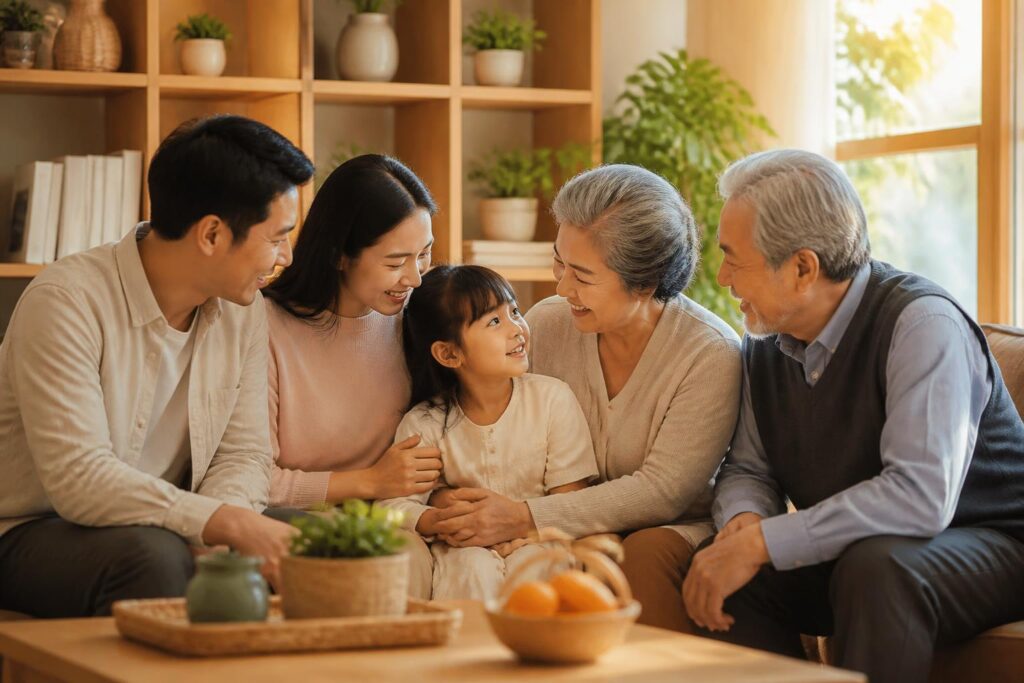
In a Tử Vi chart, the Phúc Đức Palace is a topic often mentioned when people want to understand their spiritual life, family values, and inner sense of peace. If the Tài Bạch Palace offers insights into how a person relates to money, and the Quan Lộc Palace concerns their career path, the Phúc Đức Palace asks a deeper question: what helps a person remain steady amid upheaval, find emotional support, and maintain warmth in their relationships?
Tử Vi should be viewed as a symbolic system and a traditional method of reflection, not as a tool that can replace practical decisions or scientific evidence. Therefore, when reading the Phúc Đức Palace, what matters is not labeling someone as “blessed” or “lacking blessings,” but identifying tendencies related to psychology, family, and behavior. From there, each person can adjust their way of life instead of leaving the future to a fixed conclusion.
How is the Phúc Đức Palace commonly understood?
According to common interpretations in Tử Vi, the Phúc Đức Palace relates to the native’s spiritual foundations, influences from family and lineage, inner life, beliefs, the ability to enjoy peace, and the way a person seeks meaning in life. “Blessings” in this sense do not refer only to unexpected luck or material advantages. They may also be understood through the ability to live harmoniously, know contentment, have companions, and maintain balance as circumstances change.
This palace is also often associated with family patterns and values passed down through many generations. These may include a love of learning, habits of mutual support, keeping promises, valuing family, or a professional tradition. Conversely, prolonged conflicts, family prejudices, or unhealthy communication patterns can also affect a person’s sense of safety and belonging.
However, one should not assume that every characteristic in the Phúc Đức Palace represents an unchangeable destiny. Family creates a starting point, but personal experience, education, ethical choices, and living environment still play very significant roles. Someone who grows up in difficult circumstances can still build a kind family and create new spiritual foundations for future generations.
Spiritual foundations and the ability to recover
One notable aspect of exploring the Phúc Đức Palace is the ability to recover after exhausting periods. Some people regain their balance easily after failure because they have faith, a support network, or a habit of viewing problems from a long-term perspective. Others are more likely to be swept up in anxiety, loneliness, and repetitive thoughts. In the symbolic reading of Tử Vi, these differences may be suggested through the Phúc Đức Palace, but interpretation should still take the entire chart and the actual circumstances into account.
The ability to recover does not mean having to be strong all the time. A person with a healthy spiritual life can still feel sad, disappointed, or in need of time to rest. The difference lies in their ability to identify their emotions, seek help, and gradually return to a suitable rhythm of life. Therefore, when examining the Phúc Đức Palace, instead of simply asking, “Am I blessed or not?”, one can ask more practical questions: What do I usually rely on when I face difficulties? Who can listen to me? And what habits help me remain calm?
This approach turns the chart into a tool for self-observation. If you realize that you are easily affected by other people’s judgments, this may be a reminder to develop personal boundaries. If you often avoid dialogue for fear of conflict, you can learn to express your needs more clearly. If you always feel guilty when resting, you need to reconsider your ideas about responsibility and self-worth.
The influence of family patterns and relationships
The Phúc Đức Palace often draws attention to the connection between the individual and the family. A child does not learn only from direct instruction but also from the way adults handle disagreements, money, illness, failure, and changes in life. These experiences can become unconscious “scripts,” causing a person, once grown, to repeat the ways of showing love, remaining silent, or arguing that they once witnessed.
For example, in a family that always values sacrifice but rarely talks about emotions, members may care for one another through actions while finding it difficult to express their needs. A family with a tradition of hard work may foster a strong sense of responsibility, but it may also risk causing descendants to equate their self-worth with productivity. From a reflective perspective, the Phúc Đức Palace helps raise questions about the origins of these habits rather than assigning blame or deciding which generation is right or wrong.
Understanding the influence of family does not mean blaming relatives. The more important purpose is to recognize what should be continued and what needs to stop. Values such as kindness, keeping one’s word, and caring for vulnerable people can be nurtured across generations. Conversely, control, prolonged silence, or hurtful communication must be confronted honestly so that they are not repeated.
Blessings are not limited to favorable circumstances
Many people tend to equate being “blessed” with encountering few obstacles. This understanding is rather narrow and can easily leave people disappointed when upheaval appears in life. From a broader perspective, blessings may lie in the ability to recognize what is valuable amid imperfect circumstances, in having people one can trust, in having opportunities to correct one’s mistakes, and in possessing enough clarity not to turn a single failure into a definition of one’s entire life.
A person may have abundant material resources yet remain constantly anxious, be unable to connect with loved ones, or become trapped in comparison, and still lack a sense of peace. Conversely, someone who has gone through hardship but knows how to build healthy relationships, care for their mental well-being, and live in accordance with their values can still experience a meaningful life. Therefore, when interpreting the Phúc Đức Palace, one should not observe only signs considered favorable while overlooking how a person uses their resources and faces adversity.
This perspective also helps prevent complacency. If someone believes they are “blessed,” they may become careless about important decisions. If they think they “lack blessings,” they may give up or fear every change. Both extremes reduce the ability to act proactively. A more balanced approach is to view favorable conditions as resources that need to be preserved, and difficulties as opportunities to develop awareness and adjust behavior.
How to cultivate Phúc Đức in the present
Even without delving into specific stars and positions, reflecting on the Phúc Đức Palace can still lead to clear actions in everyday life. First, each person can begin with the way they communicate within the family. A calm conversation, a timely word of thanks, or listening without rushing to judge can change the atmosphere at home. These small things do not create instant miracles, but they contribute to a sense of safety and trust.
Next comes learning to distinguish between one’s own responsibilities and things beyond one’s ability to control. Caring about one’s parents, partner, or children does not mean having to solve every problem for them. Healthy boundaries keep affection from turning into control, while support does not become dependence. This is also a way to protect the mental well-being of both the giver and the recipient.
Maintaining a balanced routine is also important. Getting enough sleep, setting limits on work, spending time in nature, reading, practicing stillness, or maintaining a meaningful activity can all help stabilize one’s inner life. Tử Vi may raise questions about tendencies, but peace is usually built through choices repeated each day.
In addition, charitable acts should arise from one’s ability and sincerity, not from fear that one must “buy” good luck. A timely act of support, sharing knowledge, caring for loved ones, or participating in community activities can all create value. What matters is not only the scale of the action but also an attitude that is responsible, unshowy, and does not place an additional burden on others.
Reading the Phúc Đức Palace with discernment
When studying a chart, the Phúc Đức Palace should not be separated from the other palaces or from the specific context of the person being examined. A single conclusion can easily be taken too far, especially when the reader is worried about family, relationships, or the future. Absolute interpretations such as being certain to become wealthy, certain to be unhappy, or unable to change one’s fate should all be approached with caution.
It is also necessary to distinguish personal reflection from important decisions. When matters involve health, finances, legal issues, or prolonged psychological concerns, one should seek appropriate professional advice. If used at all, a chart should serve only as a prompt for a person to understand themselves better and consider multiple perspectives, not as the sole basis for making choices.
The most positive value of the Phúc Đức Palace may lie in its reminder that each person’s life is always connected to things deeper than achievement and material wealth. We inherit part of our family patterns, but we are also creating a spiritual legacy for those who come after us. A way of living that is kind, responsible, willing to correct mistakes, and attentive to relationships can become a more enduring foundation than any prediction.
Seen in this way, the Phúc Đức Palace is not a verdict on the degree of luck or misfortune in a person’s life. It is a doorway for reflecting on peace, family memories, and the ability to transform what one has received into new value. By actively cultivating gratitude, healthy communication, and discipline in daily life, each person is gradually building their own “blessings” through their choices.

ARTICLES IN THE SAME CATEGORY
The Wealth Palace in a Tử Vi Chart: Perspectives on Money, Management Ability, and the Value of Work
The Quan Lộc Palace in a Tử Vi Chart: Career Orientation and Building One’s Position
The Phúc Đức Palace in a Tử Vi Chart: Spiritual Foundations, Family Traditions, and Ways to Cultivate Inner Peace
The Wealth Palace in a Tử Vi Chart: A Perspective on Money, Management Ability, and the Value of Labor
The Career Palace in a Tử Vi Chart: Career Direction and Ways to Make the Most of Your Strengths
The Phúc Đức Palace in a Tử Vi Chart: Spiritual Foundations and Perspectives on Family Life
ARTICLES IN THE SAME GENRE
Living Mindfully in an Age of Information Overload
From Knowing a Lot to Understanding Deeply: How to Build Systematic Thinking
Setting Boundaries in Digital Life to Regain Focus
The Art of Slowing Down in a World That Is Always Urging Us On
Listen to Understand, Not to Respond, in Difficult Conversations
Forgiveness Does Not Mean Reopening a Closed Door