
Roundups · 21 November, 2026
The Art of Living Slowly in a World That Is Always Urging Us On
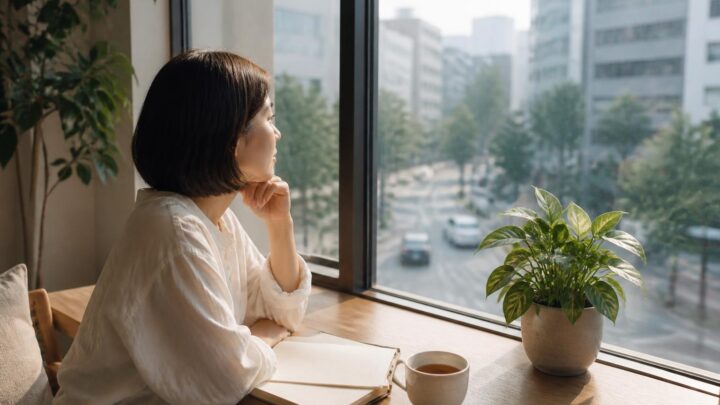
In modern life, people are often reminded that they must be faster: learn faster, work faster, reply to messages faster, seize opportunities faster, and never miss anything. Speed has gradually become an invisible measure. Busy people are easily seen as important, while those with constantly packed schedules are often automatically regarded as making progress. Yet moving quickly does not necessarily mean arriving at the right place, just as every pause is not a sign of sluggishness.
Living slowly is a conscious choice in how we use our time, attention, and energy. It is not a call to turn our backs on work, technology, or personal goals. Nor does living slowly mean being lazy, lacking ambition, or avoiding responsibility. At the heart of this way of life is the ability to distinguish what is truly necessary from temporary urgencies, and then make calmer decisions and live more closely in line with our values.
Why do we always feel that we have to hurry?
The feeling of being rushed does not come only from the amount of work we have. It also stems from the pressure to keep up with others, the fear of being left behind, and the habit of reacting immediately to every notification. A day may begin with checking the phone, continue with a stream of messages, meetings, and unexpected tasks, and end in exhaustion while still leaving us feeling that we have not done enough.
When the mind is constantly shifting from one task to another, it is easy to confuse busyness with effectiveness. A person may spend many hours handling small matters yet still fail to address the most important issue by the end of the day. Divided attention makes deep thinking difficult. We respond more quickly, but that does not necessarily mean we understand more clearly; we complete more actions, but that does not necessarily mean we create greater value.
The pressure is further amplified by the habit of comparison. Seeing other people’s achievements, we easily assume that we need to move faster, earn more, or accomplish more within the same amount of time. However, everyone has different circumstances, health conditions, family responsibilities, and starting points. Comparing the visible parts of someone else’s life with our own private worries often creates an unfair race.
Living slowly does not mean living passively
A common misconception is that people who live slowly are always leisurely, unambitious, and unconcerned with results. In reality, living slowly may require more discipline than living on autopilot. When we do not allow schedules and notifications to determine our entire day, we must decide for ourselves what our priorities are, where our limits lie, and what we can refuse.
People who live slowly still work seriously, set goals, and strive to improve themselves. The difference is that they do not want to sacrifice their entire health, relationships, or peace of mind to achieve everything at once. They understand that a sustainable goal needs to be built at a maintainable pace, rather than through bursts of overexertion followed by exhaustion.
Slowing down also means allowing enough time to reflect before taking action. Faced with an invitation, a financial decision, an argument, or an important change, a brief pause can help us realize whether we are choosing out of genuine desire or merely because of fear, pride, and outside pressure. A decision made calmly is not always correct, but it often reflects more clearly what we are truly willing to take responsibility for.
Familiar signs of a mindful pace of life
Living slowly can begin with very ordinary things. It can mean eating a meal without constantly looking at a screen, listening fully to a loved one’s story instead of preparing a response while listening, or walking part of the way without turning every free moment into time for handling more work. These actions do not immediately transform life, but they help bring our attention back to the present.
Another approach is to reduce the number of unnecessary decisions. Not every notification needs to be opened immediately, not every message requires an instant reply, and not every invitation has to be accepted. Setting periods of time in which we are not disturbed allows the mind to recover while also creating the conditions to complete important work with better concentration.
At work, living slowly may mean identifying one or a few main tasks for each day instead of making an excessively long list. When priorities are clearly written down, it becomes easier to see what needs to be done first, what can be delegated, and what is actually unnecessary. Doing fewer things but seeing them through to completion often brings a clearer sense of accomplishment than constantly switching between multiple tasks.
In relationships, living slowly means not rushing to judge someone based on a single statement or isolated action. Everyone has circumstances that outsiders cannot see. A sincere question can sometimes be more valuable than advice offered too soon. When we give one another time to explain, we have a chance to protect the relationship from misunderstandings caused by anger.
What do pauses help us realize?
When the pace of life becomes less hectic, emotions that were previously obscured by work and entertainment may become clearer. They may include fatigue, sadness, a sense of being lost, or a desire that has been set aside for too long. At first, facing these things is not always comfortable. Nevertheless, only by recognizing a problem can we find ways to care for ourselves and adjust our choices.
A pause also helps us distinguish genuine desires from the need for recognition. Some goals we pursue are truly suited to us, while others become appealing simply because many people around us are pursuing them. When we temporarily step away from the noise of comparison, we can ask ourselves: What makes life feel meaningful to me? What is worth investing effort in? And what would success on my own terms look like?
These questions do not always have immediate answers. What matters is having the courage to ask them and accept the process of searching. A life of depth is created not only through major milestones, but also through the way we are present in ordinary days, treat other people, and care for ourselves.
Beginning to live slowly without going to extremes
There is no need to change your entire life in a single day. Trying to become a completely different person can sometimes create even more pressure. A practical beginning may be to observe the times when you usually feel most rushed. Is it when you wake up, before a deadline, while browsing social media, or during family conversations? Recognizing the triggers is the first step toward choosing a different response.
Next, you can establish a few simple, manageable principles. For example, spend the first few minutes of the day identifying priorities instead of immediately checking every notification; finish one task before moving on to another; set aside a short period during the day for genuine rest; or develop the habit of taking a few breaths before responding when angry. Small pauses act as a buffer between an event and a reaction.
It is also necessary to respect the body’s limits. Getting enough sleep as far as possible, eating at regular times, exercising appropriately, and resting when tired are not rewards reserved for people who have completed every task. They are the foundation that enables us to continue working and caring for the people who matter. If we see rest as something permitted only after every task has been completed, we may never truly get to rest.
Living slowly also requires flexibility. There are periods when work or family demands that we speed up. That does not negate the value of a balanced pace of life. The issue is not always moving slowly, but being able to know when to move forward, when to stop, and when to change direction. A mindful person does not try to maintain the same speed in every circumstance.
The long-term value of living selectively
When we learn to live more slowly, we do not necessarily gain more hours in the day. What changes first is the quality of our attention. A conversation that is listened to fully becomes more meaningful. Work done with focus may be less unfinished. A carefully considered decision may help us avoid the consequences that haste often brings.
A selective pace of life also helps people build a healthier relationship with success. We can continue to make progress without viewing ourselves as projects that must be constantly fixed in order to deserve love. We can set ambitious goals while still acknowledging our current limitations. We can want more for the future without denying what we have in the present.
In a world that is always urging us on, knowing when to stop is a valuable ability. Living slowly does not turn back time or eliminate every difficulty. But it helps us see more clearly what we are doing, why we are doing it, and what price is acceptable. When we no longer let speed determine our entire lives, each of us has the opportunity to choose a pace more suited to our health, relationships, and genuinely important values. Sometimes progress is not about moving faster, but about moving in the right direction with greater peace of mind.
Related articles

When Gratitude Becomes a Sustainable Way of Life
Amid the pressures of modern life, people often find it easier to notice what is missing than what is present. An unfinished plan, insufficient money, praise that has not been received, or an opportunity that has slipped away can occupy our thoughts for the entire day. Focusing on what is lacking is natural, because it
Read more
Intentional Pauses: How to Regain Clarity Amid the Rush of Life
There are days when we wake up and hurriedly check our phones, stepping into a stream of messages, tasks, and reminders. Before we have time to recognize our own mood, we have already had to answer someone, complete something, or make a choice. Modern life has made busyness such a familiar state that many people
Read more
When Busyness Is No Longer a Measure of a Meaningful Life
In the pace of modern life, the familiar answer to the question “How have you been?” is often “Very busy.” Some people say it with a tired expression, while others see it as a sign that they are making an effort and not being left behind. Busyness has gradually become a state that is taken
Read more
The Necessary Silence Amid a Day Full of Noise
Some days begin with the sound of an alarm and end with the blue light of a phone screen. Between those two moments is a succession of sounds: work notifications, phone calls, traffic, conversations, short videos, and countless news updates always waiting to be read. Modern people rarely truly do nothing. Even when sitting still,
Read more
The Necessary Space in Digital Life
There are times when we sit down to rest, yet our minds do not truly rest. A phone placed within reach keeps lighting up, short videos follow one another, inboxes await replies, and unanswered conversations cause our attention to break into many small pieces. Even when there are no new notifications, the habit of checking
Read more
When Knowing How to Listen Becomes a Way of Preserving Relationships
In many relationships, what causes people to drift apart is not necessarily a major disagreement. Sometimes, distance begins with the occasions when one person wants to share something but the other responds only with hasty advice, an impatient look, or cold silence. When the feeling of not being heard is repeated again and again, people
Read more