

 Tiếng Việt
 日本語
日本語 한국어
한국어 中文 (中国)
The case surrounding Jeffrey Epstein long ago moved beyond the scope of an ordinary criminal file. It has become a symbol of broken trust, of troubling questions about power, money, and the closed doors the public is never allowed to see behind. Although many documents have been made public through court proceedings and investigative journalism, a vast shadowy area remains, fueling countless speculations. It is within that darkness that popular culture, especially cinema, is being revisited as a strangely reflective mirror.
This article approaches the Epstein files in a journalistic analytical style. Speculative elements are framed as social conjecture rather than legal conclusions. The central question is this: if the darkest aspects long rumored around Epstein’s network had some basis in reality, why do so many films about depraved elites, secret rituals, and human hunting feel disturbingly real in hindsight?
A Case That Shook the Image of the Elite
Epstein once appeared in photographs alongside business leaders, academics, politicians, and celebrities. On the surface he was presented as a generous donor and well connected figure among elites. Yet criminal charges and victims’ testimonies painted an entirely different portrait. This sharp contrast between glamour and darkness triggered not only outrage but deep public unease.
In the years of rumors circulating worldwide, what disturbed people most was not just alleged individual misconduct, but the possibility of a network in which money and influence formed a protective shield around moral decay. The same questions echoed repeatedly in international media: How many people knew? Who looked the other way? What remains buried in unreleased files?
As trust in the polished image of high society eroded, audiences began reexamining films once dismissed as exaggerated or unrealistic.
When Cinema Seems to Have Told the Story First
Film does not investigate like journalism, but it can tap into collective fears. For more than two decades, numerous movies have depicted elites living in insulated worlds where ordinary morality no longer applies. After the Epstein case became a global focus, these films were reinterpreted through a different lens, as if they had accidentally brushed against truths society was not ready to face.
Eyes Wide Shut and Rituals of the Powerful
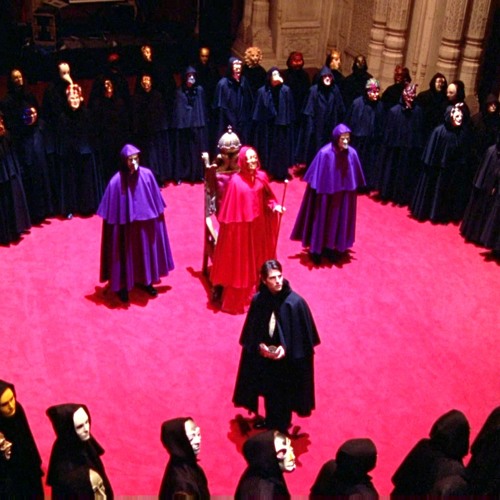

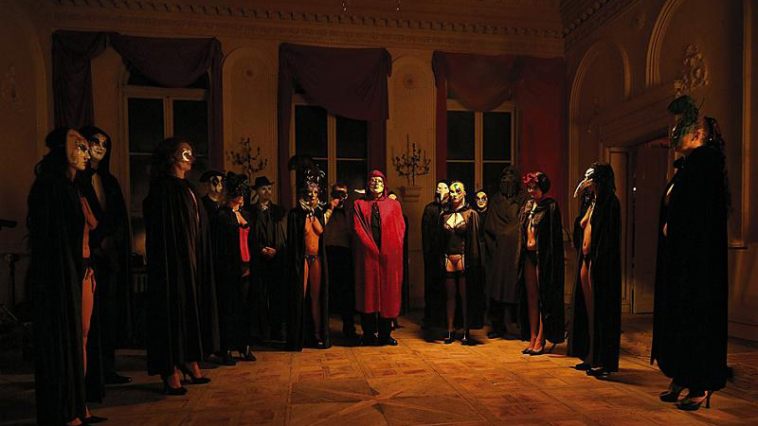
The final film by Stanley Kubrick follows a doctor who stumbles into a secret world of the ultra wealthy, where masked gatherings blend sexuality, power, and ritual. Upon release, the film was controversial and often criticized as overly cryptic and unrealistic.
Years later, whenever rumors surfaced about private parties among billionaires, isolated islands, or invitation only spaces for select guests, audiences returned to this film. What unsettles viewers is not that the movie presents evidence, but that it portrays a structure of power where wealth buys silence and privilege. In the context of the Epstein files, many wonder whether those masked scenes were pure cinematic metaphor or reflections of a deeper societal fear rooted in reality.
The Hunt and the Idea of Humans as Game

This film presents a shocking premise: a group of wealthy individuals organizes the hunting of human beings as entertainment. While wrapped in political satire, its core idea is the extreme dehumanization of a class that views other lives as disposable.
When the public reads testimonies describing victims transported to remote locations, controlled, and stripped of autonomy, the imagery from this film becomes more disturbing. Not because it depicts real events, but because it magnifies a moral inversion that feels uncomfortably plausible: human beings reduced to tools serving the pleasure and power of others.
Se7en and Crime Beneath the Surface of Normality
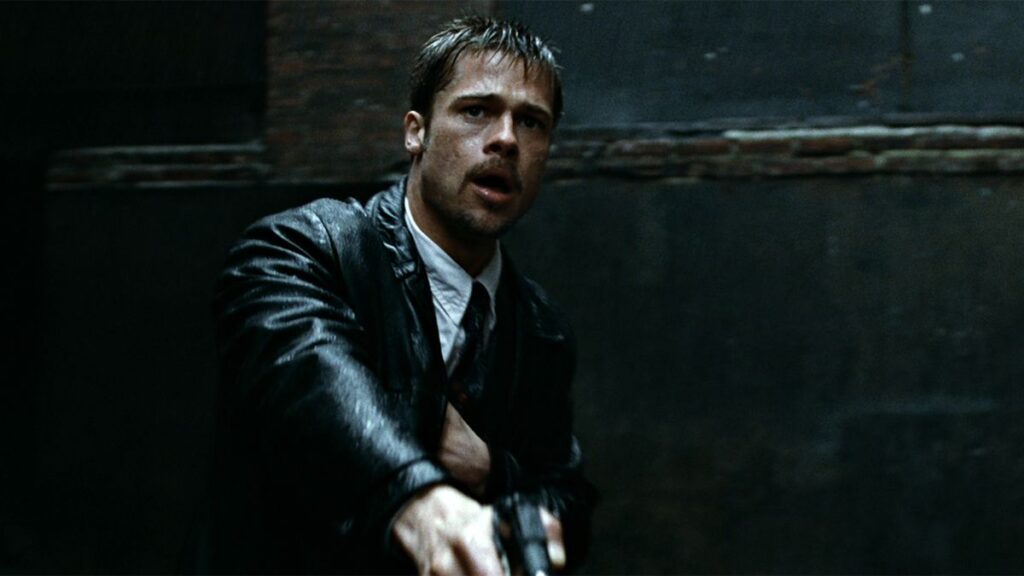
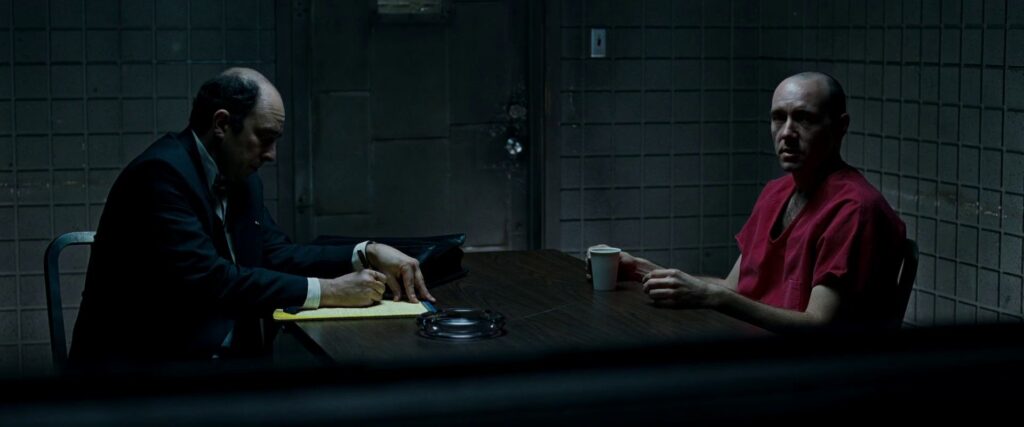
This film is not about elites, yet it portrays a society where horrific crimes coexist with everyday life, hidden behind quiet apartments and polite appearances. Its most chilling message is that evil does not always appear monstrous. It can wear the face of intelligence, civility, even respectability.
In the way the public now looks back at the Epstein case, this idea carries heavy weight. Many individuals once appeared in photographs at conferences, social events, and charitable functions. The dissonance between social image and criminal allegations echoes the film’s central theme of darkness concealed beneath normality.
Get Out and the Fear of Being Possessed


This film tells the story of bodily and identity takeover beneath the polite surface of an upper class family. Though rooted in racial allegory, it also evokes a broader fear: being turned into property within a system the victim cannot fully comprehend.
In rumors surrounding Epstein, one of the most disturbing themes for the public is the idea of victims being manipulated, lured by promises of opportunity, and then trapped within networks of power. The parallel here lies in mechanisms of control, not in literal plot points.
Rumors, Hypotheses, and the Limits of Journalism
In an environment flooded with information, many lists of names have circulated online over the years. Mainstream journalism faces a difficult dilemma. The public demands full transparency, yet publishing names without verified evidence can destroy innocent lives.
When discussing unresolved aspects of the Epstein files, it is crucial to separate three layers of information: facts confirmed in court, materials still in legal process, and unverified rumors. Cinema can explore the third layer to evoke emotion, but journalism must remain grounded in the first two.
Still, the existence of so many unanswered questions is precisely what allows popular culture to continue reflecting society’s anxiety. When people feel that a powerful world operates beyond the reach of law, they turn to films as symbolic interpretations of that fear.
The Collapse of Idols and a Moral Lesson
One of the deepest impacts of the case is the shift in how the public views celebrities and elites. Smiling photographs, humanitarian speeches, and large charitable donations no longer automatically inspire unquestioned trust.
There is a Vietnamese saying that appearances can deceive. In a modern context, this is not only personal advice but a social warning. When power concentrates heavily in a small, unaccountable group, the risk of abuse multiplies dramatically.
Elite themed horror cinema therefore stops being mere entertainment. It becomes an allegory for a very real fear: that behind closed doors, human dignity may be priced and traded.
If the Darkest Secrets Were Ever Confirmed
If one day unreleased documents were to confirm the worst long rumored scenarios, the consequences would extend far beyond the courtroom. It would be a global cultural shock. Trust in institutions, celebrities, and prestigious organizations would be severely shaken.
At that point, films like Eyes Wide Shut or The Hunt would no longer seem exaggerated. They would be viewed as works that tapped into a deep instinctive fear about the corruption of power. Cinema would appear to have functioned as an early warning system, not through evidence, but through sensing the moral decay in the air.
The Epstein files are not just the story of one individual’s crimes
The Epstein files are not just the story of one individual’s crimes. They act as a mirror reflecting modern power structures, where wealth, fame, and networks can create shadows difficult to penetrate. Within those shadows, cinema has repeatedly imagined nightmares about immoral elites.
Whether the full truth is ever completely revealed or not, the lesson remains. Society needs greater transparency. Journalism must remain cautious yet persistent. The public must stay clear eyed in the presence of glamour. Because sometimes, as films have long suggested, the most frightening monster is not the creature hiding in darkness, but the powerful human being standing in plain sight under bright lights.

ARTICLES IN THE SAME CATEGORY
Knowing How to Say No in Order to Live in Alignment with What You Truly Value
Decluttering Digital Life to Regain Focus and Peace
Listening to Understand: The Skill That Changes the Quality of Every Conversation
When a Day Ends Properly, the Heart Feels Lighter
Knowing When to Change Your Mind: A Sign of Mature Thinking
Living Mindfully in an Age of Information Overload
ARTICLES IN THE SAME GENRE
MAGA and the Power Doctrine of Unpredictability: Why Donald Trump Turned Uncertainty into America’s Strategic Advantage
Why Does War Always Erupt in Human Society?
Religious Faith: Good, Evil, and the Journey from Enlightenment to Fanaticism
What to Note about “Apocalypse,” “Degenerate Dharma,” and Prophetic Culture
The Dark Side of the Internet and the Spread of Harmful Information
The Body’s Response to Fear