

 Tiếng Việt
 日本語
 한국어
 中文 (中国)
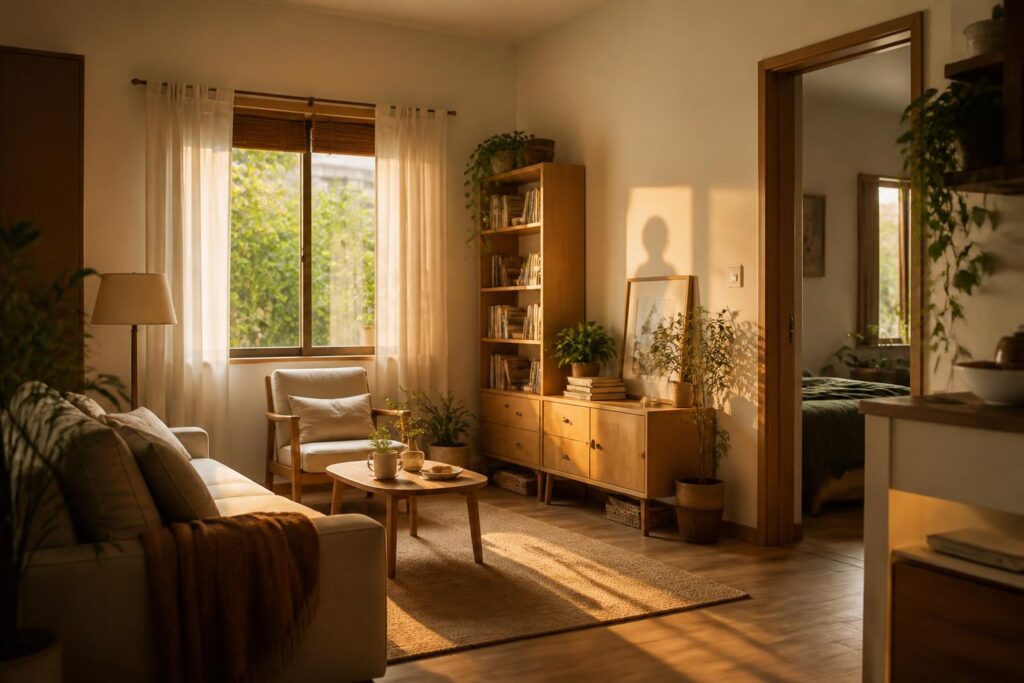
In many families, a house is first and foremost seen as a place to live, store belongings, and carry out familiar daily activities. But after a day filled with pressure, people need to be in a place that can soothe them, not merely an address to return to. The feeling of walking through the door and realizing that the body is gradually relaxing does not always come from expensive furnishings. It is created by sufficient light, unobstructed pathways, pleasant sounds, thoughtfully arranged belongings, and an atmosphere that does not require us to keep holding ourselves together.
A house that knows how to rest is not a house that is always perfect, spotless, or decorated like an image in a magazine. It is a space suited to the people living in it, one that respects their need for privacy, helps daily activities take place conveniently, and makes room for quiet. When we look at a home this way, organizing it is no longer a race against clutter. It becomes a way of caring for ourselves and for the people we live with.
How Living Spaces Affect Our Mental State
People are not separate from their surroundings. A room lacking light, filled with too many unused objects, or constantly exposed to noise can make it more difficult to rest. Conversely, a space with a reasonable degree of order helps us more easily understand what we need to do, where to put things, and how to begin an activity. This convenience cannot resolve every form of fatigue in life, but it can reduce the small, recurring irritations that build up over time.
It is worth noting that comfort does not mean everything has to be absolutely minimalist. Some people need a shelf full of books to feel at home. Others relax more easily when their room contains greenery, handmade objects, family photographs, or old gifts. The issue is not the number of objects, but the relationship between people and those objects. A cherished item that is used often can warm up a house. An object that is no longer suitable but still takes up space, gets in the way, or creates a feeling that it needs to be looked after can become a source of silent pressure.
Therefore, the useful question is not “Is this house beautiful enough?” but “How is this space making me feel?” That question brings home decoration back to genuine needs. Does the living room help family members talk, or is it merely a place to pile things? Does the desk support concentration, or does it cause work to spill into every break? Is the bedroom truly meant for sleep and recovery, or has it become a storage room, office, and place to look at screens late into the night?
Start with the Things That Make Us Tired Every Day
Many people begin tidying their homes with an overly ambitious plan. They want to reorganize the entire apartment in one day, change the interior style, or get rid of a great deal of stuff. This approach can create initial excitement but also quickly lead to exhaustion. A more sustainable choice is to observe the small things that are making daily life more burdensome.
It might be the pair of shoes that is constantly left in the middle of the walkway because there is no convenient place to put it. It might also be the desk that is always piled high with paperwork, requiring us to clear it from scratch every time we sit down. An area that is frequently messy does not necessarily show that the person living there lacks discipline. Sometimes, it shows that the current arrangement does not fit actual habits. If an item is used every day but has to be stored too far away or is difficult to reach, it will most likely be left temporarily wherever there is space.
Observing things in this way helps us change the cause rather than merely deal with the symptoms. We might place a tray near the door for keys, put a laundry basket where people actually change clothes, or set aside a separate drawer for paperwork that needs attention. Small adjustments made in the right places often have more value than one major deep clean followed by a quick return to old habits.
Design Functional Zones to Give the Home a Rhythm
A restorative space needs some degree of distinction between activities. This does not mean that every room must serve only one function. In a small apartment, the dining table can become a workplace, while the living room can be used for reading or exercising. However, if every activity takes place in the same spot without any sign of transition, the body will have difficulty recognizing when it is time to work and when it is allowed to rest.
Functional zones can be created in very simple ways. A desk lamp that is switched on only when reading or working can create a familiar signal. A chair near a window can be reserved for drinking tea, listening to music, or sitting quietly for a few minutes. A box for putting away a computer after work can keep the desk from continuing to occupy our thoughts during rest time. These physical signals help activities have clearer points of beginning and ending.
In the bedroom, priority should be given to a sense of quiet and comfort. There is no need to turn it into a luxurious space, but it is worth limiting objects that remind the mind of unfinished work. Unfolded clothes, bills, work equipment, or items that need repairing can be gathered in a separate area instead of being scattered around the bed. When they cannot be dealt with immediately, putting them in one fixed place also creates the feeling that they have been temporarily brought under control.
Light, Sound, and the Atmosphere of the Home
Sensory elements are often overlooked because they do not stand out as much as paint colors or furniture styles. Yet light, sound, and air all help determine whether a room feels pleasant. Light that is too harsh can make a space feel tense, while a room that is always dark can easily create a sense of confinement. If possible, natural light should be used during the day, with several moderate sources of light in the evening rather than relying on a single bulb.
Sound also needs to be recognized as part of family life. A television playing continuously, notifications from electronic devices, the sound of machinery, or noise carrying over from other rooms can fragment periods of rest. Not every family can create complete silence, but they can agree on times to lower the volume, turn off unnecessary devices, or use headphones when appropriate. Quiet should not be one person’s privilege; it should be regarded as a shared need and discussed with mutual respect.
The air in the home is also connected to how we take care of basic matters. A well-ventilated room without unpleasant odors and with a suitable temperature will feel more welcoming. These changes do not necessarily require special equipment. Opening windows at appropriate times, washing and drying clothes properly, taking out the trash promptly, and reducing materials that retain odors are all practical steps.
A Home for Real People, Not an Idealized Image
One reason caring for a home becomes stressful is that we often compare our spaces with carefully selected images. A room in a photograph may not show where the belongings are stored, the unseen corners that were not photographed, or the time required to maintain that tidy appearance. If we try to turn our home into a perfect scene, we can easily feel that we are never doing enough.
A suitable home should reflect the realities of daily life. Families with young children need storage that is easy to access and easy to tidy. Older adults may need wide pathways, clear lighting, and belongings placed at convenient heights. People who work from home need reasonable boundaries between work and life. Someone living alone may want a simple dining corner, a flexible place to receive guests, or more open space. There is no universal formula for comfort.
What matters is that the people living together should take part in the organizing process. A home that serves only one member’s preferences will have difficulty creating a sense of belonging for everyone else. Discussing which objects need to be kept, which areas need to be quiet, or which habits are causing inconvenience can help family members understand one another better. In many cases, changing the way we speak is just as important as changing where an object is placed. Instead of blaming someone for “always making a mess,” the family can look for ways to make putting things away easier to do.
Rest Is Not a Reward for When Everything Is Finished
Many people allow themselves to relax only after everything in the house has been taken care of. But the list of household tasks almost never ends. If we wait until everything is perfect before resting, we may live in a state of constantly postponing our recovery. A house that knows how to rest needs to have protected spaces, even when there are still clothes to fold or a few things that have not been put away.
This does not mean neglecting the living space. It simply reminds us that cleanliness and order should serve people, not become measures of a person’s worth. On some days, we may have enough energy to cook a complete meal and clean thoroughly. On other days, washing a few cups, clearing the walkway, and preparing a comfortable place to sleep may already be significant acts of care. Knowing how to adjust our expectations according to our actual energy is part of living sustainably.
A living space may not erase difficulties outside the home, but it can become a place where people do not have to keep playing the role of the strong one. When a house is organized to support genuine needs, daily activities become lighter, relationships have more room for calm, and each person has an opportunity to recognize what they need.
Ultimately, a home worth living in is not measured by its level of luxury or its ability to maintain a flawless appearance. It is recognized by how we feel when we return: able to put down our bag, breathe more slowly, find the things we need, and know that we are allowed to rest. Starting with a small corner, a small habit, or an honest conversation, every family can create a space that better suits its way of life.

ARTICLES IN THE SAME CATEGORY
The Art of Repair: When Caring for Small Things Is Also a Way of Life
The Necessary Space in the Day: The Art of Protecting Attention in the Age of Notifications
Slow Living Through Old Things: When Repair Becomes a Meaningful Choice
The Art of Listening in a World That Is Always in a Hurry
The Power of Small Choices on an Ordinary Day
When Silence Becomes a Way of Caring for Yourself
ARTICLES IN THE SAME GENRE
The Girl and the Wind Chime
The Wind Chime That Kept Promises
The Lamp Beneath the Station Eaves
Little Hedgehog and the Moonlight Garden
The Seedling Who Knew How to Listen and the Forest That Awoke
Brown Squirrel’s Raincoat