
Roundups · 14 November, 2026
When Slowing Down Becomes a Way of Living Mindfully
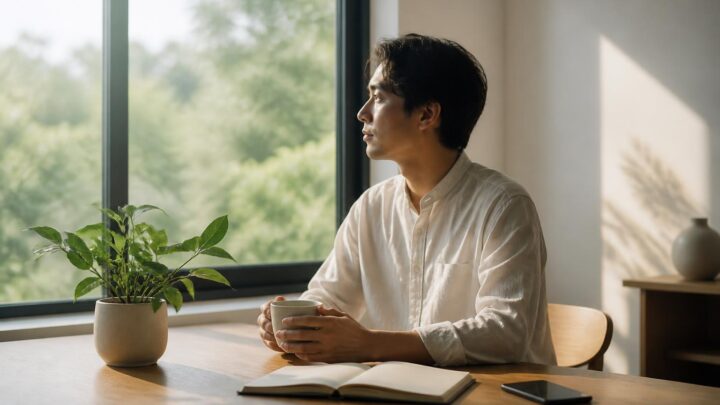
There are days when we wake up to the sound of an alarm, hurriedly check our phones, reply to messages, deal with work, and then continue rushing from one appointment to another. By the end of the day, our bodies are tired, but our minds still have not truly stopped. We may accomplish a great deal and still feel that we have not been fully present for anything. Modern life often makes busyness seem like a sign of competence, while rest is easily misunderstood as laziness or a lack of ambition.
However, slowing down does not necessarily mean giving up, much less turning our backs on progress. In many cases, slowing down is a way to regain control. When we are no longer swept along by constant demands from outside, we have a chance to recognize what we truly need, what deserves priority, and what merely creates a temporary sense of urgency. Living slowly, therefore, is not a decorative slogan but a skill that needs to be cultivated in everyday life.
Why Is It Difficult for Us to Slow Down?
One common reason is the fear of being left behind. When we see other people constantly learning more, working more, getting information faster, or reaching new milestones, we easily feel that we too must move forward at a similar pace. Social media intensifies this feeling because we usually see only the most visible parts of other people’s lives. A successful photograph, good news, or shared achievement can make us forget that behind it are also ordinary periods, failures, and the need to rest.
In addition, many people have grown accustomed to measuring their self-worth by the number of tasks they complete. A busy day creates the feeling that we are being useful, while an afternoon spent doing nothing specific can easily bring guilt. This habit means that rest is no longer a natural part of life but becomes a reward to be received only after everything is finished. The problem is that the to-do list rarely truly ends. If we always wait until there are no responsibilities left, we may never allow ourselves to stop.
Some people are also afraid of stillness. When work, noise, and information temporarily subside, worries that were previously hidden begin to surface. We have to face questions about whether we are going in the right direction, which relationships are making us tired, or which goals are no longer truly suitable. Busyness can sometimes be a clever way of avoiding things. Slowing down requires courage because it forces us to look at our own lives instead of constantly searching for something to distract us.
Slowing Down Does Not Mean Stagnating
It is important to distinguish between intentional slow living and procrastination caused by irresponsibility. A person who slows down may still work seriously, keep promises, and pursue goals, but they do not allow every decision to be driven by haste. They know when to focus, when to rest, what needs to be done immediately, and what can wait. Stagnation, by contrast, often causes people to avoid what is necessary, blame circumstances, or continually find reasons not to begin.
The difference lies in mindfulness. Slowing down is a conscious choice, whereas stagnation is usually a passive state. When we slow down, we still know where we are headed. Our pace may not be fast, but each step is more considered and appropriate. When we stagnate, we are neither truly resting nor moving forward; our minds remain weighed down by unfinished tasks.
At work, slowing down at the right time can also help reduce mistakes caused by hasty reactions. Rereading an email before sending it, considering a decision after a good night’s sleep, or pausing an argument when emotions are running too high can all make a significant difference. Acting quickly is not always the same as acting effectively. Many issues require accuracy, patience, and the ability to see long-term consequences.
Small Changes to Regain Your Own Rhythm of Life
Slowing down does not need to begin with a major change. First, each person can create short pauses between activities. After completing a task, instead of immediately moving on to the next one, spend a few minutes tidying your desk, drinking water, or taking deep breaths. This pause helps the mind shift states instead of carrying all the tension from the previous task into the new one.
Another approach is to reduce the habit of multitasking. Eating while looking at a phone, replying to messages during a meeting, or resting while thinking about work can make us believe that we are saving time, but in reality they often fragment our attention. Whenever possible, choose one important task and give it a relatively undivided focus. The quality of a period of concentrated attention is often much more valuable than many hours of constant interruption.
Setting boundaries with digital devices is also essential. Not every notification needs an immediate response, and not every piece of news is worth following continuously. You can begin by turning off unnecessary notifications, keeping your phone out of reach for a period of time, or setting specific times to check email. These boundaries are not meant to reject technology but to help technology serve life instead of controlling our attention.
In relationships, slowing down can mean learning to listen until the other person has finished speaking. Many conversations fail not because of a lack of affection, but because each person is busy preparing their own response. When we truly listen, we may recognize that behind a complaint is a need for care, behind silence is exhaustion, or behind a harsh reaction is a feeling of hurt. Being fully present can sometimes offer more comfort than advice given too quickly.
Slowing Down to Recognize What Matters
One of the greatest benefits of living slowly is the ability to distinguish between what is important and what merely creates noise. Every day brings many competing demands for our attention. Some tasks genuinely need to be completed, some become urgent only because other people keep pressuring us, and some do not actually belong to our responsibilities but are still accepted because we feel uncomfortable saying no. Without time for reflection, we can easily devote most of our energy to things that do not bring us closer to our goals or values.
To identify our priorities, we can ask ourselves three simple questions: Does this really need to be done immediately? Is it consistent with what I value? And if I take on this additional task, what will I have to sacrifice? These questions do not produce the same answers for everyone. A person caring for a family will have different priorities from someone focused on building a career. What matters is not finding one universal formula, but making choices suited to our actual circumstances instead of following other people’s standards.
Slowing down also helps us see our limits clearly. Each person has only a certain amount of time, health, and attention. Acknowledging our limits is not a sign of weakness. It is the first step toward allocating our resources responsibly. When we know we cannot do everything, we can choose to do the things that truly matter better, while blaming ourselves less for goals that cannot yet be achieved.
Being Patient with the Process of Change
Many people want to live a balanced life but turn that desire into yet another task that must be completed quickly. They create packed plans, establish a long list of rules, and then feel disappointed when they maintain them for only a short time. This approach unintentionally recreates the very hurried pace of life they are trying to escape.
Sustainable change usually comes from small things repeated for long enough. A meal without a phone, a few minutes of walking without listening to any content, an evening without taking on additional work, or the habit of recording the most important thing of the day can all create the necessary space. We will not do everything perfectly every day. There will be periods when work is demanding, family problems arise, or our health does not allow us to rest as much as we would like. At such times, what matters is not judging ourselves, but returning to a suitable pace as soon as we can.
Slowing down also means learning to respect quiet progress. Someone who reacts less hotheadedly, knows how to refuse a demand that is too much, gets more adequate sleep, or spends quality time with loved ones may not yet have produced an easily visible achievement, but these are still important changes. Life is not measured only by major milestones. Many lasting values are formed through the way we repeat ordinary choices each day.
Moving Forward with Awareness
In a world that values speed, knowing how to slow down is a way to protect our attention, mental health, and ability to choose for ourselves. This does not require us to give up our ambitions or live apart from the pace of the wider world. On the contrary, people who know when to stop often have a better chance of going farther with less waste because they understand where they are going and why they want to get there.
Each person can begin by observing a single day: Which moments always make us rush? Which activities continually take away our concentration? Which responsibilities are we accepting merely out of habit? And which periods of rest have we neglected for too long? Simply being honest with these questions means we have already begun to create a small distance between ourselves and the familiar cycle of activity.
Slowing down does not make life shorter or longer, but it can make the way we experience life more profound. When we no longer have to chase everything at once, we can see a meal, a conversation, a quiet morning, or the work we are doing with fuller attention. Sometimes the most significant progress is not moving faster, but knowing how to choose the next step with a clear mind.
Related articles

When Silence Becomes a Skill That Helps People Live More Wisely
In a life always filled with noise, silence is often misunderstood. A person who speaks little may be seen as lacking confidence, someone who does not react immediately may be considered indifferent, while a person who wants time to think before answering may sometimes be judged slow. However, silence is not merely a state of
Read more
Decluttering Your Attention: How to Live Mindfully Amid an Overload of Information
Every day, we move through a stream of information that seems to have no end. A message appears while we are working, a short video slips into a break, and an attention-grabbing headline pulls our eyes away from the book we are reading. Many of these things take up only a few seconds, but repeated
Read more
Decluttering Your Digital Space to Live More Slowly and Focus Better
In many households, tidying up is usually associated with things that can be seen: clothes that are rarely worn, old documents, an overstuffed cabinet, or a kitchen with too little open space. Yet each person also owns another space that needs organizing: their digital space. Phones, computers, email inboxes, messaging apps, and online accounts store
Read more
Gratitude in Modern Life: From a Fleeting Emotion to a Life Skill
Gratitude Does Not Mean Denying Difficulties In the rhythm of modern life, people are often encouraged to look ahead. We make plans, set goals, seek better opportunities, and constantly compare ourselves with images of success that appear every day. The desire to make progress is valuable, but if we focus only on what is still
Read more
Pauses in Digital Life: Why We Need to Learn How to Do Nothing
The morning begins with the sound of a phone ringing. Before they have even managed to get out of bed, many people have already checked their messages, read a few lines on social media, looked at their work schedule, and responded to several notifications. By the end of the day, the body may have been
Read more
When Gratitude Becomes a Different Way of Looking at Life
Gratitude Begins with the Things Closest to Us In the midst of busy lives, people often find it easier to focus on what is missing than on what they have. A job that has not turned out as hoped, an incomplete relationship, a delayed plan, or an unfinished goal can occupy much of one’s thoughts
Read more