

 Tiếng Việt
 日本語
日本語 한국어
한국어 中文 (中国)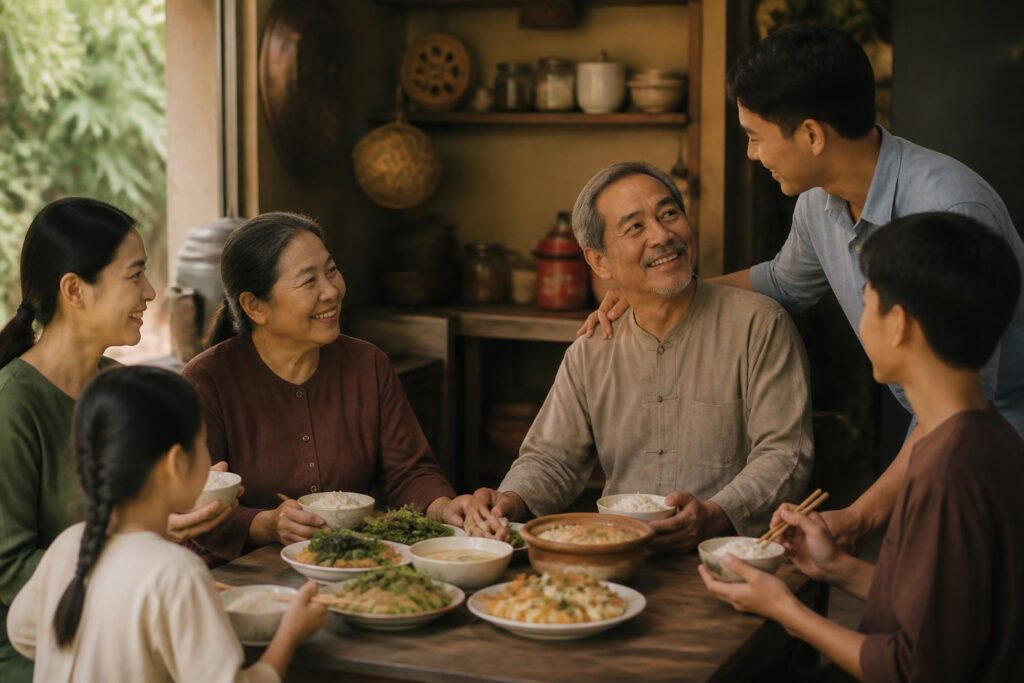
In the rhythm of modern life, people are often encouraged to keep moving forward, to achieve one more goal, own one more possession, or become a more outstanding version of themselves. The desire to advance can create motivation, but if we look only at what is still missing, it is easy to fall into the feeling that we are always lagging behind others. Amid this cycle, gratitude reminds each person to pause just long enough to recognize what is present in their life.
Being grateful does not mean denying difficulties, nor does it force people to be cheerful in every circumstance. Someone who is exhausted can still be grateful to a person who listened to them. A family with many worries can still cherish a meal shared together. An imperfect day can still contain a few moments worth preserving. When properly understood, gratitude is not an emotional layer that paints life in rosy colors, but the ability to see more fully, including loss, limitations, and the quiet good things.
Gratitude Begins with Recognizing
Many valuable things in everyday life become invisible because they appear so familiar. We grow accustomed to the voices of our loved ones, the light in a room, the work that still gives us opportunities to learn, and a friend who is ready to answer when we need to share. Only when something is interrupted do we realize how much we had relied on it before.
Therefore, the first step toward gratitude is learning to pay attention. Pay attention to a meal prepared with time and effort. Pay attention to the colleague who helped with part of a task even though their name was not mentioned. Pay attention to the body that is still trying to carry us through busy days. Paying attention is not about turning every moment into a moral lesson, but about preventing life from passing by on autopilot. When we observe more carefully, we often discover that happiness does not lie only in major events but is also present in many small details.
Some people believe that one should be grateful only after achieving what one desires. This way of thinking makes gratitude dependent on results and likely to disappear when life does not unfold as expected. In reality, gratitude can emerge even during an unfinished process. We can appreciate an opportunity without yet knowing where it will lead us, value a lesson even if it began with failure, or feel grateful for the growth taking shape through a difficult period.
Gratitude Is Not Resignation
One common misunderstanding is that being grateful means accepting everything and not being allowed to complain. If it is used to demand that people endure injustice, overlook harm, or reject legitimate needs, gratitude is turned into a form of mental pressure. A person who is being hurt needs protection and to be heard, not to be forced to find a reason to appear fine.
True gratitude still allows us to say that we are tired, sad, need help, or that a certain situation needs to change. A person can be grateful to their family while still needing to set boundaries in the relationship. They can appreciate their current job while still seeking a more suitable environment. They can acknowledge the good things in a relationship without therefore continuing to remain in a harmful situation.
What matters is that gratitude helps people see the value that is already present, while clear-mindedness helps them identify what needs to be improved. These two things are not opposed. On the contrary, when we are not completely swept up in dissatisfaction, we often have more calmness with which to solve problems. Gratitude does not close the door to change; it helps us change without losing the ability to appreciate what has supported us.
From Words of Thanks to Concrete Actions
Words of thanks have meaning, but gratitude becomes deeper when expressed through action. If we appreciate our parents, we can take the initiative to ask after them, share household chores, or arrange time to be present when they need us. If we are grateful to a teacher, we can seriously apply what we have learned and pass that spirit on to others. If we appreciate a colleague, we can fairly acknowledge their contribution instead of treating their support as something self-evident.
In a family, gratitude often does not require grand gestures. A specific statement such as “Thank you for picking up the child for me today” can be more sincere than a general expression of thanks. When we clearly state what we appreciate, the listener feels that their effort has been seen. This is also a way to reduce the assumptions that easily arise in close relationships.
At work, gratitude should not be confused with flattery or with creating an obligation to repay. A healthy environment requires transparent recognition, fair feedback, and the ability to share responsibility. A manager who appreciates employees does not merely praise them when they achieve something, but also cares about the conditions that enable them to work well. Colleagues who are grateful to one another do not keep credit for themselves, nor do they turn assistance into a debt that must be repaid.
Nurturing Gratitude Without Turning It into a Formality
Many people try writing down things they are grateful for each day, but after a while find that the practice has become mechanical. The problem lies not in the method but in how it is carried out. If we merely repeat familiar phrases without truly remembering the experiences behind them, a gratitude list can easily become a task to be completed.
Instead of trying to write down as many things as possible, each person can choose one specific thing and ask why it matters. In what way did a brief conversation make us feel lighter? Who contributed to creating an advantage that seemed very ordinary? What patience have we received that we had never noticed before? Questions like these take gratitude out of a formula and turn it into a process of observing and understanding life more deeply.
It is also not necessary to practice gratitude at a fixed time. We can say thank you immediately after receiving help, send a short message to someone whose efforts have not been acknowledged for a long time, or spend a few minutes at the end of the day remembering a moment that made us feel supported. What matters is consistency at a manageable level, not a strict schedule.
Gratitude can also be nurtured by caring for what we already have. Taking care of a gift, protecting our health, using time mindfully, repairing things instead of hastily discarding them, or giving others opportunities are all quiet expressions of appreciation. When we learn to value the effort, resources, and affection that have entered our lives, we often consume less מתוך a feeling of endless scarcity.
Gratitude and the Ability to Live with What Is Incomplete
Not every day brings a sense of relief. There are periods when people have to wait, experience loss, or start over from the beginning. At such times, forcing ourselves to be grateful can make sadness feel even more lonely. Gratitude does not need to appear immediately after a life-changing event. Sometimes, first of all, we simply need to acknowledge that we are in pain and allow ourselves time to recover.
Afterward, if possible, we can find small sources of support: someone who remains by our side, a safe place to return to, a lesson that helps us understand our limits more clearly, or simply the ability to continue moving through today. These things do not erase the loss, but they show that loss is not the whole story. Growth often does not come from turning all suffering into something beautiful, but from the ability to continue living with the truth while still preserving the humane part of ourselves.
In relationships with others, gratitude also helps us stop treating kindness as an automatic entitlement. A timely word of thanks can encourage someone who quietly cares for their family, performs service work, or supports the community. When acknowledgment spreads, the recipient not only feels respected, but the person offering it also becomes more sensitive to the needs of those around them.
A Deeper Way of Living
Gratitude does not make life perfect. Nor does it guarantee that the days ahead will be free of disappointment. Its value lies in changing our point of view: from merely counting what we do not have to recognizing what is helping support us; from viewing assistance as an obligation owed by others to understanding that every achievement has many hands behind it; from demanding that life fulfill every desire to learning to live responsibly with what we have received.
When gratitude becomes a habit of mindfulness, people are no longer so easily swept up in comparison. They can still set goals, make efforts, and desire a better life, but not by denying the present. Each step forward is then built on a stronger foundation, because people understand how they have been supported and what they need to continue giving to life.
Ultimately, practicing gratitude can begin very simply: looking closely at something familiar, offering a specific word of thanks, acknowledging the efforts of others, and treating ourselves with kindness. These small acts do not create instant miracles, but over time, they change the way we are present in our families, workplaces, and communities. In a world that often urges people to have more, gratitude is the ability to recognize that life already contains more value than we have ever seen.

ARTICLES IN THE SAME CATEGORY
The Quiet Between the Noise of Our Time: How to Find Focus and Peace Again
Knowing When to Stop Is a Capability That Makes Life Lighter
A Warm Kitchen Begins with the Way Family Members Listen to One Another
The Art of Closing Out the Day So the Mind Can Rest
The Quiet Between the Noise: Learning to Reclaim Our Own Attention
Creating a Home That Knows How to Listen, So Everyone Has a Place to Return To
ARTICLES IN THE SAME GENRE
Grateful for mother’s hands