
Horoscopes · 26 November, 2026
The Phúc Đức Palace in Tử Vi: The Spiritual Foundation and How to Cultivate Peace
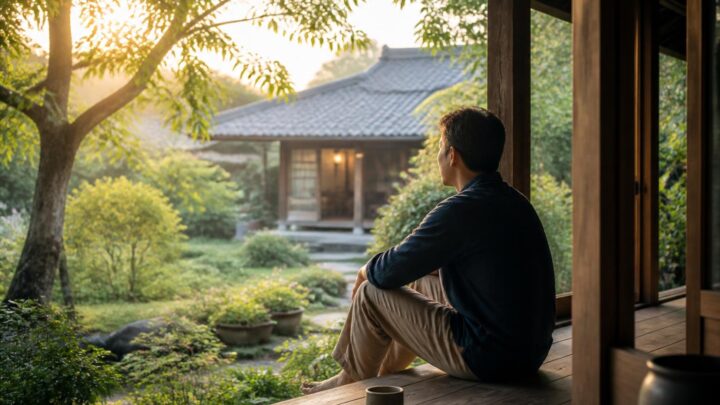
In the Tử Vi system, the Phúc Đức Palace is one of the palaces often mentioned when seeking to understand a person’s spiritual life, family patterns, and inner feelings. If the Quan Lộc Palace brings to mind one’s career path, and the Tài Bạch Palace relates to one’s view of money, then the Phúc Đức Palace is often regarded as the quiet foundation underlying those experiences. It does not speak only of what is called inherited blessings, but also suggests how a person seeks stability, faces adversity, and receives influence from family and tradition.
Tử Vi should be viewed as a system of symbols and traditional contemplation, not as a tool that can make decisions on behalf of human beings. A chart should not be used to confine someone’s personality or make certain predictions about the future. When approaching the Phúc Đức Palace, the most useful perspective is to regard it as a subject for self-observation: What patterns of thought have we inherited, what helps us remain steady, and what can we do to create a life with greater depth?
How is the Phúc Đức Palace commonly understood?
In common interpretations, the Phúc Đức Palace relates to the blessings of one’s lineage, spiritual life, ability to enjoy tranquility, and sense of being supported during difficult periods. The concept of “blessings” here does not necessarily mean always being lucky or avoiding every upheaval. A person whose Phúc Đức life is favorable according to traditional interpretations may be someone who knows how to be content with simple things, has family as a source of support, possesses healthy beliefs, or often finds a way forward after hardship.
Conversely, when this palace is interpreted as involving many difficulties, it does not mean that a person is certain to be unhappy. It may point to feelings of insecurity, simmering conflicts within the family, difficulty finding mental rest, or a tendency to worry constantly about the future. These manifestations are also influenced by one’s living environment, personal experiences, health, and actual relationships. Therefore, interpreting the Phúc Đức Palace should be done within the context of the entire chart and, more importantly, the person’s real-life circumstances.
One noteworthy point is that the Phúc Đức Palace does not refer only to the past or to one’s ancestors. It can also be understood as an ongoing process. The way the current generation lives, treats others, and makes choices also helps shape the emotional atmosphere of the family in the future. A family that respects one another, keeps its promises, cares for vulnerable members, and resolves disagreements through dialogue creates a very concrete form of “blessing,” even if it cannot be measured in material terms.
Three important layers of meaning of the Phúc Đức Palace
Spiritual life and the ability to recover
The first layer of meaning of the Phúc Đức Palace lies in one’s inner life. Faced with the same event, different people may respond in very different ways. Some need quiet time to organize their emotions, some draw strength from family, while others rely on work, religion, art, or community activities. When considering the Phúc Đức Palace, one may ask: What is the source of energy that helps me get back up after disappointment?
The ability to recover does not mean never feeling sad, afraid, or tired. A strong spiritual foundation allows people to acknowledge their emotions without letting those emotions control all of their actions. From this perspective, the Phúc Đức Palace can serve as a reminder to build a rich inner life rather than merely pursuing external achievements. Habits such as getting enough rest, maintaining healthy relationships, writing down one’s thoughts, or seeking support when needed are more practically valuable than waiting for good fortune to appear on its own.
The influence of family and tradition
The second layer concerns the family atmosphere. Everyone grows up within a system of particular stories, rules, and beliefs. Some families value learning, some place great emphasis on responsibility, and some prioritize closeness, while others are accustomed to using silence to resolve conflicts. These things can have a lasting influence on how a person trusts, loves, and faces failure.
Looking at the Phúc Đức Palace from this perspective helps us recognize both positive inheritances and invisible burdens. A person may inherit hospitality, diligence, or the ability to care for others. But they may also carry a fear of being judged, a habit of suppressing emotions, or the belief that they must sacrifice themselves completely to be considered a good person. Recognizing these influences is not intended to blame the family. The purpose is to distinguish what is worth preserving from what needs to be adjusted so that future generations have greater freedom.
How one seeks peace
The third layer is how each person enjoys life. Some people feel at ease only when everything is under control, while others find joy in simplicity and close relationships. The Phúc Đức Palace is often associated with the ability to enjoy blessings, but enjoying blessings does not mean possessing a great deal. It may mean being able to recognize the value of a family meal, a peaceful night’s sleep, a sincere conversation, or a workday not overtaken by excessive worry.
If someone always achieves what they want but remains anxious, simply increasing their wealth or reputation may not necessarily solve the problem. In that case, the lesson of the Phúc Đức Palace may lie in adjusting the pace of life, reconsidering priorities, and learning to be present with what one already has. Peace is not a fixed state, but an ability developed through many small choices.
“Blessings” should not be understood passively
One misleading interpretation is to assume that people who are blessed do not need to make an effort, while those with fewer blessings cannot change their fate. This view can make people passive or lead them to blame their chart when they encounter difficulties. In reality, even in everyday life, blessings are often cultivated through very concrete actions: keeping one’s word, knowing how to give thanks, not taking advantage of others, caring for loved ones, respecting boundaries, and being willing to correct one’s mistakes.
In traditional language, doing good deeds is often regarded as a way to create blessings. Interpreted in practical terms, it means creating positive effects in relationships and communities. A kind word can help another person feel less hopeless. Timely assistance can open up an opportunity. Fair treatment can reduce conflict within a family. These things do not guarantee that those who do good will always encounter favorable circumstances, but they create a more trustworthy living environment and help the people who practice them cultivate inner strength.
How to reflect on the Phúc Đức Palace in present-day life
Rather than asking only whether the Phúc Đức Palace is “good or bad,” one can begin with a number of open-ended questions. When something goes wrong, do we seek support or withdraw completely? Within the family, are there subjects that are always avoided? Which values from previous generations continue to support us? Is there a belief that once helped us mature but has now become too restrictive? Are we passing on a sense of safety to our loved ones, or unintentionally adding to their pressure?
These questions make the study of Tử Vi more closely connected to self-awareness. For example, if someone realizes that they are always worried about the future, they can begin by distinguishing between worries that can be acted upon and worries that merely repeat themselves in thought. If they frequently conflict with loved ones, they can learn to choose the right time to talk, express their needs clearly, and avoid using old mistakes as weapons. If they feel empty despite having a comfortable life, they can reconsider the relationships, activities, and values that are genuinely nourishing them.
Cultivating Phúc Đức also requires clear awareness. Kindness should not be turned into limitless endurance, and the concept of karma should never be used to judge people who are suffering. A blessed life must include both compassion for others and respect for oneself. Knowing how to say no, seeking professional support when one’s mental health is deteriorating, or leaving a harmful relationship can all be actions that protect long-term blessings.
The value of the Phúc Đức Palace from a modern perspective
In a modern context, the Phúc Đức Palace can be read as a map offering suggestions about the quality of one’s inner life. It shifts attention away from the question “What will I gain?” toward the question “How am I living?” A good job, stable income, or social position can provide many favorable conditions, but a sense of peace also depends on the ability to connect, rest, and live in alignment with one’s values.
This approach also reduces psychological dependence on predictions. Tử Vi can provide symbolic language for reflection, but important decisions should still be based on real information, personal responsibility, and careful consideration. The Phúc Đức Palace should not be used to conclude anything about the moral character of a family, make certain predictions about health, or justify harmful behavior. Serious problems in life need to be addressed through communication, knowledge, and appropriate support.
Conclusion
The Phúc Đức Palace in Tử Vi can be regarded as a symbol of spiritual foundations, family influence, and the ability to find peace amid life’s changes. Its value does not lie in labeling someone as “blessed” or “less blessed,” but in opening an opportunity to reflect on what has been inherited and what can be actively cultivated.
Blessings do not come only from favorable circumstances. They are also present in the ability to live kindly without losing oneself, to accept help, to make amends after mistakes, and to create a safe space for the people one loves. Understood in this way, the Phúc Đức Palace becomes a gentle reminder that peace is not entirely a gift given in advance. It is the result of awareness, choices, and persistent actions made each day.
Related articles
The Phúc Đức Palace in Tử Vi: The Spiritual Foundation and How Each Person Cultivates Blessings
In life, there are people who seem always able to remain steady in the face of change. They do not always encounter favorable circumstances, but they often know how to get back up, find support, and see a way forward when things become difficult. There are also people who possess many good conditions yet are
Read more
The Career Palace in Tử Vi: How to View One’s Career Path and the Value of Work
In life, work does more than provide income. It is also where a person demonstrates their abilities, develops their character, meets colleagues, and seeks the feeling that they are contributing something meaningful. Therefore, when studying a Tử Vi chart, many people pay particular attention to the Career Palace, an area commonly associated with occupation, aspirations,
Read more
The Career Palace in Tử Vi: Reading the Career Path Through Abilities and Choices
In modern life, questions about one’s career are rarely limited to how much money one earns or what position one holds. Many people want to know whether they are better suited to a stable or dynamic environment, whether they should work independently or collaborate with a team, develop deep expertise or take on a coordinating
Read more
The Phúc Đức Palace in Tử Vi: Spiritual Foundation and How a Person Navigates Life’s Ups and Downs
In a Tử Vi chart, many people tend to focus first on the Mệnh Palace, the Tài Bạch Palace, or the Quan Lộc Palace because these positions are directly associated with personality, money, and career. However, if we look only at outward manifestations, we may overlook a very important foundation: the Phúc Đức Palace. This
Read more
The Phúc Đức Palace in Tử Vi: Spiritual Foundations and How a Person Moves Through Life’s Turbulence
In Tử Vi, some palaces naturally attract attention because they are associated with money, careers, or relationships that are clearly visible in daily life. The Phúc Đức Palace, however, often lies behind those outward expressions. It is not a definite promise of good fortune, nor should it be understood simply as a predetermined verdict on
Read more
The Career Palace in Tử Vi: Reading How a Person Works, Grows, and Creates Value
In life, work is not merely a means of earning an income. It is also where a person demonstrates their abilities, confronts their limitations, learns how to cooperate, and gradually determines who they want to become. Therefore, when exploring Tử Vi, many people are interested in the Career Palace as an area that offers insight
Read more