

 Tiếng Việt
 日本語
日本語 한국어
한국어 中文 (中国)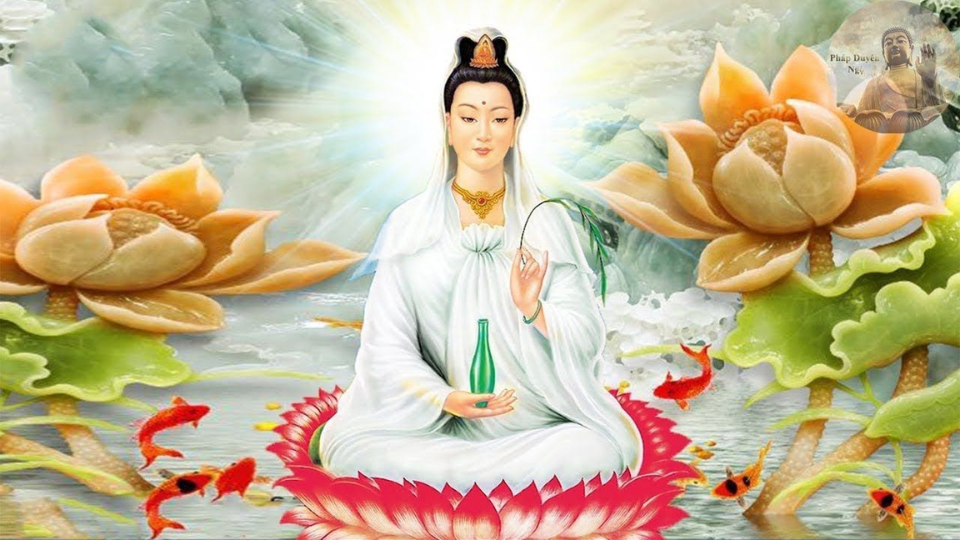
In the spiritual life of Vietnamese people and many East Asian communities, the burning of votive paper and symbolic paper money for the unseen world has long been a familiar practice. These paper offerings often carry symbolic meanings, expressing respect for divine beings or remembrance of the deceased. Alongside commonly known forms such as underworld money, judgment money, heavenly official money, and celestial official money, some places also mention a type of votive paper called Buddhist Official Money, known in Vietnamese as tiền Phật quan.
Buddhist Official Money is generally understood as a symbolic form of votive paper used in rituals connected with Buddhism or in ceremonies that incorporate elements of Buddhist folk belief. In popular understanding, this type of paper offering is presented symbolically to Buddhas, Bodhisattvas, or protective guardians within the Buddhist spiritual realm.
However, the concept of Buddhist Official Money does not originate from formal Buddhist doctrine. Instead, it primarily appears within folk religious practices where elements of Buddhism, Taoism, and indigenous beliefs have blended together over centuries. This cultural blending has produced many types of votive offerings, each associated with different spiritual realms imagined within the traditional worldview.
The concept of Buddhist Official Money
Buddhist Official Money is a form of votive paper made from paper sheets printed with symbolic currency patterns or religious imagery. Some versions of this paper money include images of the Buddha, Chinese characters associated with Buddhist teachings, or other spiritual symbols.
The name “Buddhist Official Money” can be understood symbolically. The term “Buddhist” refers to the Buddhist spiritual realm where Buddhas and Bodhisattvas reside. The word “official” in this context does not necessarily refer to bureaucratic officials in the same sense as those in the heavenly or underworld courts. Instead, it often refers more broadly to spiritual guardians, protectors of the Dharma, or sacred figures associated with Buddhist cosmology.
In practice, Buddhist Official Money is commonly sold together with other types of votive paper in shops that provide ritual offerings. People may include it as part of the offerings used in ceremonies praying for peace, blessings, or spiritual protection.
Origins of the belief in Buddhist Official Money
The concept of Buddhist Official Money arises from the interaction between Buddhism and local folk traditions. When Buddhism spread to Vietnam and other East Asian regions, its teachings gradually merged with pre existing cultural beliefs.
In original Buddhist teachings, the practice of burning paper money or sending currency to the spiritual world is not part of the doctrine. However, within folk traditions, people often combined traditional ritual customs with Buddhist symbolism.
Over time, elements of Buddhist imagery began appearing in ritual practices. Votive papers printed with Buddhist symbols or associated with Buddhist terminology gradually became part of certain folk ceremonies.
Buddhist Official Money can therefore be viewed as a product of this cultural interaction. It reflects how ordinary people integrated Buddhist ideas into long standing ritual traditions.
Who receives Buddhist Official Money in rituals
In folk belief, Buddhist Official Money is usually offered symbolically to Buddhas, Bodhisattvas, or protective guardians associated with Buddhism.
Some people believe this symbolic offering is directed toward Buddhas in various Pure Lands or toward Bodhisattvas such as Avalokitesvara (Guanyin), Ksitigarbha (Dizang), or Manjusri. These figures are widely revered for their compassion and their ability to guide beings out of suffering.
Buddhist Official Money may also appear in ceremonies dedicated to praying for the peaceful transition of the deceased. In such rituals, people hope that through the compassion of Buddhas and Bodhisattvas the souls of the departed may attain liberation or a better rebirth.
Nevertheless, in formal Buddhist teachings the idea of offering money to Buddhas is not considered necessary. What is emphasized instead is ethical conduct, spiritual cultivation, and the purification of the mind.
When Buddhist Official Money is offered
Buddhist Official Money is most commonly used in rituals influenced by Buddhist folk practices. One common context is memorial ceremonies for deceased relatives.
During memorial or prayer ceremonies held either at temples or within families, people may burn various types of votive paper while reciting prayers for the well being of departed souls. In some cases Buddhist Official Money may be included among these offerings.
This type of votive paper may also appear in ceremonies that seek peace, protection, or blessings. Participants hope to receive compassion and guidance from Buddhas and Bodhisattvas.
Large Buddhist festivals that incorporate folk elements, such as the Ullambana Festival dedicated to filial piety and the salvation of wandering spirits, may also include the use of certain ritual paper offerings.
The meaning behind offering Buddhist Official Money
The act of offering Buddhist Official Money reflects a belief that human beings can connect with the spiritual world through ritual practice. These rituals allow individuals to express reverence and hope for blessings from sacred forces.
On another level, Buddhist Official Money carries symbolic meaning. It represents faith in the compassion of Buddhas and the hope that sincere prayers may bring spiritual relief or assistance.
However, according to Buddhist teachings, the most meaningful offerings are not material items but virtuous actions and sincere spiritual practice. Many Buddhist monks emphasize that cultivating kindness, helping others, and maintaining a pure mind are more important than material offerings.
Buddhist Official Money in modern society
In contemporary society, attitudes toward Buddhist Official Money and other forms of votive paper have gradually changed. Many people still follow the tradition as part of their cultural heritage.
At the same time, some voices encourage reducing the use of votive paper and focusing instead on the deeper spiritual meaning of religious practice. Some temples advise devotees that instead of burning large amounts of paper offerings, they may perform charitable acts or support community welfare.
Even so, items such as Buddhist Official Money continue to exist within folk culture. They reflect traditional interpretations of the spiritual world and the human desire to maintain connections with sacred values.
Cultural significance of Buddhist Official Money
Buddhist Official Money is not merely a type of ritual paper. It represents the cultural interaction between Buddhism and local folk belief.
Through customs such as these, we can see how earlier generations imagined the structure of the universe and the relationship between humans and supernatural forces. These practices also reveal the deep spiritual needs that exist within human societies.
Today, although interpretations of these rituals may vary, Buddhist Official Money still carries cultural significance. Studying it helps us better understand the rich spiritual traditions of Vietnamese society and the diversity of religious expressions that have developed over time.

ARTICLES IN THE SAME CATEGORY
The Phúc Đức Palace in a Tử Vi Chart: The Foundation of Inner Well-Being and How to Nurture Peace
When There Are Too Many Choices, How Can We Make Wiser Decisions?
When the House Feels Less Crowded, the Heart Has More Room to Breathe
Resting Properly: Why Stopping Is Also a Life Skill
The Art of Saying No While Remaining Kind
The Wealth Palace in a Zi Wei Astrology Chart: Looking at Money Management and Personal Values
ARTICLES IN THE SAME GENRE
Heavenly Officials in Vietnamese Folk Belief: Bestowers of Blessings from the Celestial Realm
The Judge Figures in Vietnamese Folk Belief: Guardians of Justice in the Afterlife
Why People Offer All Types of Spiritual Money When Moving Into a New House: From Judgment Officials to Heavenly, Earthly, Immortal, Cao, and Buddhist Officials
Earth Official Money in Folk Belief: Origins, Meaning, and Its Role in Spiritual Rituals
Heavenly Official Money in Folk Belief: Origins, Meaning, and Its Role in Spiritual Rituals
Judgment Money in Folk Belief: Origins, Meaning, and the Ritual of Offering to the Underworld Judges