
 Tiếng Việt
 日本語
日本語 한국어
한국어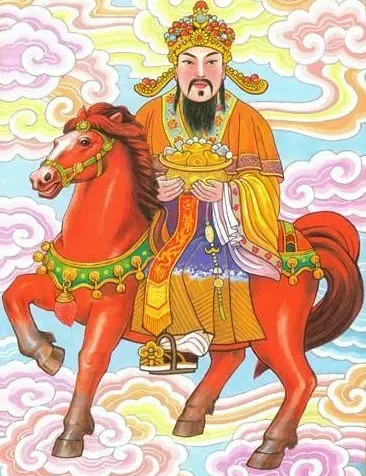
In the spiritual life of Vietnamese people and many East Asian cultures, the practice of burning votive paper and symbolic paper money for the unseen world has existed for centuries. These paper offerings usually carry symbolic meanings, representing respect toward deities, spiritual officials, or remembrance of ancestors and the deceased. Alongside commonly known forms such as underworld money, judgment money, heavenly official money, and celestial official money, some folk traditions also mention another type known as Cao Official Money, or tiền Tào quan.
Cao Official Money appears in certain rituals influenced by Taoist traditions and folk spiritual practices. According to traditional belief, “Cao Officials” are spiritual administrators responsible for recording and managing the registers of human destiny, karmic deeds, and the events that occur in people’s lives. Offering Cao Official Money symbolically represents sending tribute to these divine officials who oversee the cosmic records of human fate.
This concept reflects how earlier generations imagined the universe as a vast administrative system in which every human action is observed and recorded by spiritual authorities.
The concept of Cao Official Money
Cao Official Money is a type of votive paper currency made from paper sheets printed with ancient coin patterns or symbolic spiritual characters. In shops selling ritual supplies, it is often placed alongside other types of votive offerings used in ceremonies for peace, protection, and good fortune.
The name “Cao Official” originates from the belief in spiritual officials responsible for managing divine records. In traditions influenced by Taoism, various gods are believed to supervise registers that document human virtues, faults, lifespan, and destiny.
The term “Cao” in this context can be understood as a bureau or department responsible for maintaining celestial records. Therefore, “Cao Officials” are seen as the divine administrators who manage these records of fate.
Cao Official Money is therefore regarded as a symbolic offering sent to these spiritual record keepers.
Origins of the belief in Cao Officials
The idea of Cao Officials originates from Taoist cosmology and ancient Chinese spiritual traditions. In Taoist belief, the universe is organized like a large celestial court with many levels of divine administration.
At the highest level stands supreme deities such as the Jade Emperor, who governs the cosmos. Beneath him are numerous divine officials responsible for various aspects of the universe. Some of these officials are believed to manage registers of life and death, record human deeds, and supervise the destinies of individuals.
These concepts gradually spread to neighboring cultures throughout East Asia, including Vietnam. When combined with indigenous beliefs, they contributed to a rich spiritual worldview involving divine administrators who oversee the moral and spiritual order of human life.
In many folk stories, Cao Officials are described as celestial scribes who record every action performed by humans. These records are believed to determine future fortune, misfortune, or karmic consequences.
Who receives Cao Official Money
According to folk belief, Cao Official Money is symbolically offered to the divine officials responsible for maintaining records of human destiny. These spiritual administrators are believed to observe human behavior and record both virtuous and harmful deeds.
In some ritual interpretations, the money is sent to officials who manage destiny registers or cosmic archives related to birth, lifespan, and karmic consequences. Offering symbolic tribute represents a wish for these officials to show mercy, understanding, or favor.
Cao Official Money may also appear in rituals intended to resolve spiritual obstacles or misfortune. Some people believe that presenting offerings to these celestial administrators may help reduce bad luck or bring about better circumstances.
When Cao Official Money is offered
Cao Official Money often appears in rituals related to spiritual protection, destiny adjustment, or the removal of misfortune. These ceremonies are usually performed when people feel that they are facing difficulties or wish to seek peace and stability in life.
One common occasion is during early year ceremonies aimed at resolving negative influences for the coming year. In these rituals Cao Official Money may be burned together with other votive offerings.
It may also be used in ceremonies seeking blessings, prosperity, or success in personal and professional matters.
The meaning behind offering Cao Official Money
The ritual of offering Cao Official Money reflects the belief that human destiny may be influenced by spiritual forces. In traditional thought, divine beings not only govern natural elements but also monitor the actions and moral conduct of human beings.
Offering Cao Official Money therefore represents respect toward the spiritual authorities believed to manage records of destiny. At the same time, the ritual expresses a hope that good deeds will be recognized and that misfortune may be reduced.
From a psychological perspective, such rituals provide comfort and reassurance. When facing uncertainty, people often turn to spiritual traditions to seek peace of mind and hope.
Cao Official Money in modern society
In modern society, attitudes toward rituals involving Cao Official Money have gradually evolved. Many people continue practicing these traditions as part of their cultural heritage.
At the same time, some voices suggest reducing the burning of votive paper and focusing more on the spiritual meaning behind rituals. Certain temples and religious communities encourage believers to emphasize ethical behavior, charitable acts, and personal cultivation rather than material offerings.
Nevertheless, Cao Official Money remains present within folk cultural practices and continues to reflect traditional beliefs about destiny and cosmic order.
Cultural significance of Cao Official Money
Cao Official Money is not simply a type of ritual paper currency. It represents an important cultural symbol illustrating how earlier generations understood the structure of the universe and the role of supernatural forces.
The belief that every human action is recorded and evaluated by spiritual authorities reflects a deep moral philosophy. It encourages individuals to live responsibly and remain aware of the consequences of their actions.
Today, although interpretations of these rituals may vary, Cao Official Money still carries cultural significance. Studying it helps us better understand the rich spiritual traditions of Vietnamese folk belief and the ways in which earlier generations perceived the relationship between humanity and the unseen world.

ARTICLES IN THE SAME CATEGORY
The Judge Figures in Vietnamese Folk Belief: Guardians of Justice in the Afterlife
The world is never short of those who judge others by their material possessions; however, the most concerning poverty of all is the lack of wisdom and self-cultivation.
When Artificial Intelligence Stops Being a Tool and Becomes a Habit Hard to Leave
Letting Go of Attachment to Overcome Anxiety: When What Exhausts Us Is Not Life Itself, but the Way We Hold On to It
Drinking Tea or Living Life: When People Get Lost in Material Glamour and Forget Themselves
Social Media and the Cost of Convenience: When Humans Become “Digital Dependents”
ARTICLES IN THE SAME GENRE