

 Tiếng Việt
 日本語
日本語 한국어
한국어 中文 (中国)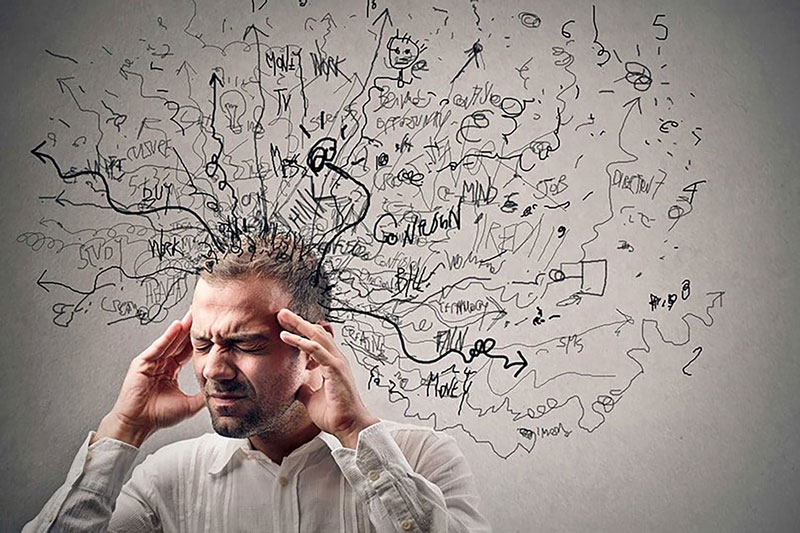
In modern life, anxiety has become an almost familiar state. People worry about work, money, relationships, and an uncertain future. Some worries have clear causes, but many arise without any obvious reason. Everything on the outside may seem fine, yet inside there is a constant undercurrent of unease. What is striking is that the more people try to control their emotions, the more they feel out of control.
Looking more deeply, we begin to see that what drains us rarely comes from events themselves. Instead, it is the way we interpret those events, the way we react, and especially the way we cling to our thoughts that creates suffering. There is an old saying: “Illness begins in the mind.” This is not only about physical health, but also about the truth of inner life: when the mind is unsettled, life cannot feel peaceful.
One of the main roots of anxiety is our tendency to overthink the future. Human beings have the ability to imagine, and this gift can easily turn into a burden. Before even starting something, we imagine failure. Before facing difficulty, we create countless worst-case scenarios. The mind becomes a restless machine, constantly predicting and trying to prepare. Yet paradoxically, these thoughts rarely help us solve anything. Instead, they drain our energy, leaving us exhausted before we even begin.
There is a simple piece of wisdom: worrying too far ahead only creates more worry in the present. When we spend too much time thinking about what has not yet happened, we lose the ability to live fully in the present moment. And it is only in the present that we can truly act and create change.
Beyond worrying about the future, we also suffer because we are too harsh on ourselves. In today’s world, the pressure to succeed, to be perfect, and to be recognized is always present. People constantly compare themselves to others, often measuring their own weaknesses against someone else’s strengths. From this, feelings of inadequacy and insecurity quietly grow.
There is another old truth: no one is perfect. Yet even when we understand this intellectually, we often fail to accept it emotionally. We blame ourselves for small mistakes, dwell on what we have not achieved, and overlook how far we have already come. This inner harshness keeps the mind in a constant state of tension.
Another source of anxiety lies in our inability to accept uncertainty. We tend to believe that if we try hard enough, everything will turn out as planned. But life does not work that way. There are forces beyond our control, and unexpected changes are part of reality. When outcomes do not match our expectations, we easily fall into confusion and disappointment.
Here, traditional wisdom offers a grounded perspective: we can do our best, but the final outcome is not always ours to decide. When we truly understand and accept this, much of our unnecessary tension begins to dissolve.
So how do we step out of the cycle of anxiety?
First, we need to recognize that anxiety is not an enemy. It is a signal that the mind is overwhelmed. Instead of trying to eliminate it completely, we can learn to observe and understand it. When we look at our worries calmly, we often realize that many of them are not based on reality, but are simply creations of our imagination.
Next, bringing our attention back to the present moment is essential. When the mind is no longer trapped in the future or the past, it naturally becomes steadier. Simple actions such as focusing on the breath, noticing what is happening around us, or completing one task at a time with full attention can gently reduce anxiety. When the mind settles, everything else begins to feel more manageable.
Equally important is learning to accept ourselves. This does not mean giving up on growth, but rather not punishing ourselves for being imperfect. When we treat ourselves with understanding, we create space for genuine improvement. Harshness may push us forward in the short term, but over time it leads to exhaustion.
Finally, accepting the impermanent nature of life is a key step toward inner peace. Nothing is completely certain, and no state lasts forever. When we understand that everything changes, we become less attached to outcomes and less afraid of the unknown. Instead of resisting life, we begin to move with it.
It is important to remember that overcoming anxiety is not something that happens overnight. It requires patience and ongoing awareness. There will still be moments of unease, times when we fall back into old patterns of thinking. But each time we notice and gently return to a more grounded state, we take a step forward.
As we gradually let go of our attachments, we begin to see something very simple: life itself has not changed much, but our experience of it has. What once felt overwhelming now seems lighter. What once caused fear no longer carries the same weight.
When the mind becomes calm, everything else appears calmer as well. Not because the world has changed, but because our way of seeing it has.
In a world that is constantly moving and filled with uncertainty, maintaining inner stability may be one of the most important skills we can develop. It allows us not only to live better, but also to understand ourselves more deeply.
In the end, perhaps the goal is not to eliminate anxiety entirely, but to learn how to live with it without being controlled by it. When we stop resisting and stop trying to control everything, we begin to feel lighter.
And when we learn to be content with what we have, we realize that peace is not something distant. It is something that quietly exists within us, waiting for us to let go.

ARTICLES IN THE SAME CATEGORY
Attention Needs Rest Too: The Art of Living Amid Too Many Things to Know
Healthy Boundaries: How to Protect Your Energy Without Becoming Cold
Healthy Boundaries: How to Protect Yourself Without Hurting Others
Slow Down to See Clearly: The Art of Living Without Being Swept Away
The Pause Before a Choice: Slow Down to See Clearly What You Truly Need
Keeping Promises to Yourself: The Quiet Foundation of a Trustworthy Life
ARTICLES IN THE SAME GENRE
Tam Cam Part 2: The Vengeful Spirits of the Palace
Tam and Cam: The Palace Intrigue and the Original Ending – Part 1
The world is never short of those who judge others by their material possessions; however, the most concerning poverty of all is the lack of wisdom and self-cultivation.
Stay Away from Foolishness: Seven Forms of Self-Deception and the Path to Awakening
Drinking Tea or Living Life: When People Get Lost in Material Glamour and Forget Themselves
Virtual Worlds and Spiritual Concerns in the Modern Age: When Humans Risk Becoming Prisoners of Their Own Creation