

 Tiếng Việt
 日本語
日本語 한국어
한국어 中文 (中国)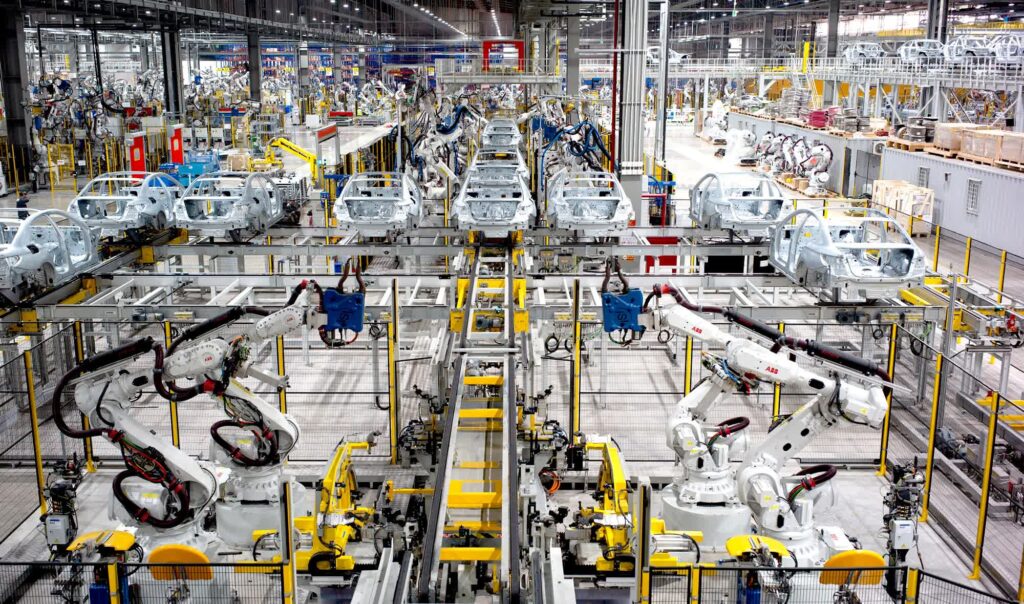
In recent years, the world has been witnessing a profound shift in how humanity produces, consumes energy, and operates its economic systems. The concepts of “green transformation” and “electrification” are no longer merely environmental slogans; they have become core strategies for nations, corporations, and the global financial system. This transformation represents both a technological breakthrough and an effort to reduce humanity’s negative impact on the environment. However, behind this positive narrative, there are also skeptical perspectives and even theories suggesting that this transition may be linked to a restructuring of global economic power, particularly the long-standing petrodollar system.
This article explores three key aspects: the rise of green transformation and electrification as a technological revolution, their role in reducing environmental impact, and the geopolitical debates surrounding them, along with the real-world barriers that prevent this transition from fully becoming the foundation of the future.
Green Transformation and Electrification: The Technological Revolution of the 21st Century
Green transformation is not simply about using renewable energy such as solar or wind power; it represents a comprehensive restructuring of how the global economy operates. Electrification refers to the process of replacing fossil fuel-based systems with electricity across transportation, industrial production, and even heating and cooling systems.
In transportation, electric vehicles have become the most visible symbol of electrification. Advances in battery technology, particularly lithium-ion batteries and emerging solid-state designs, are reducing costs, extending driving range, and improving safety. This opens the possibility of replacing gasoline-powered vehicles on a massive scale.
At the system level, smart grids are being deployed to optimize electricity distribution and consumption. Artificial intelligence helps forecast energy demand, while energy storage systems balance supply and demand, especially given the intermittent nature of renewable energy sources.
Industry is also undergoing transformation. Green factories powered by clean energy are optimizing production processes and reducing carbon emissions. Even traditionally hard-to-electrify sectors such as steel and cement are experimenting with new solutions like green hydrogen.
All these developments suggest that green transformation and electrification are not just trends but are forming a new technological foundation for the modern world.
Reducing Environmental Impact: The Core Driver of the Transition
It is undeniable that the primary motivation behind green transformation and electrification is environmental pressure. Climate change, air pollution, and resource depletion have forced nations to take action.
The shift to renewable energy significantly reduces CO₂ emissions. Major cities, once heavily polluted by transportation, are beginning to experience improved air quality as electric vehicles become more widespread.
Green transformation also involves optimizing resource use. Circular economy models are being promoted to reuse materials, reduce waste, and extend product lifecycles.
In agriculture, green technologies help reduce chemical usage, conserve water, and improve productivity. This not only protects the environment but also ensures long-term food security.
Overall, green transformation and electrification act as a kind of safety valve for the global ecosystem, helping to alleviate the pressure caused by human activity.
Geopolitical Perspective: Could This Be a Move to Reshape the Petrodollar Order?
Beyond the clear benefits, some perspectives argue that the race for green transformation and electrification is not purely about the environment or technology but is also tied to reshaping global economic power.
The petrodollar system, in which oil is predominantly traded in U.S. dollars, has strengthened the position of the dollar for decades. Oil-producing nations, particularly in the Middle East, have played a central role in this system.
If the world transitions toward renewable energy and electrification, demand for oil may gradually decline. This could weaken the role of the petrodollar while opening opportunities for new financial and monetary systems.
Some analysts suggest that developed countries are promoting green transformation not only to reduce emissions but also to decrease dependence on oil from geopolitically sensitive regions. This enhances energy security and reduces risks associated with conflicts.
Furthermore, control over green technology supply chains, such as batteries, rare earth elements, and semiconductors, may become a decisive factor in future power competition. Countries that dominate these technologies and resources could replace the influence currently held by oil-exporting nations.
However, it is important to recognize that these ideas remain theoretical. In reality, the energy transition is complex and cannot happen overnight.
Limitations and Barriers to Green Transformation and Electrification
Despite its enormous potential, the transition toward green transformation and electrification faces significant challenges.
The first issue is cost. Although renewable energy has become cheaper, the required infrastructure investments remain substantial. Building new power grids, charging networks, and energy storage systems demands massive capital.
The second challenge lies in resource constraints. Battery technologies rely on materials such as lithium, cobalt, and nickel. Extracting these resources can create environmental damage and new geopolitical dependencies.
The third issue is energy system stability. Renewable energy sources like wind and solar depend on natural conditions, making it difficult to ensure a consistent supply. This requires sophisticated storage and management solutions.
The fourth challenge involves political and social factors. Not all countries are equally prepared for the transition. Economies heavily dependent on oil may resist or delay these changes.
Finally, technological limitations persist. While significant progress has been made, there are still sectors without effective alternatives to fossil fuels, particularly in aviation and maritime transport.
The Future of Green Transformation and Electrification: A New Foundation or a Transitional Phase?
A critical question remains: will green transformation and electrification truly become the new technological foundation of humanity?
From an optimistic perspective, this trend appears irreversible. Global policies, from Europe to Asia, are increasingly aligned with emission reduction and sustainable development goals. Businesses are also integrating environmental considerations into their long-term strategies.
However, from a practical standpoint, the transition will be gradual and uneven. For decades to come, the world may rely on a hybrid energy ecosystem in which fossil fuels and renewable energy coexist.
The key lies in how governments and businesses manage this transition. If handled effectively, green transformation and electrification can deliver significant economic and environmental benefits. If driven too heavily by political interests or implemented without proper preparation, the transition could create new instabilities.
A Multi-Layered Game
Green transformation and electrification are not just about the environment or technology. They represent a multi-layered game in which economic, political, and social factors intertwine.
On the surface, they are efforts to reduce humanity’s impact on the Earth and usher in a new technological era. At a deeper level, they may also be part of a broader restructuring of global power.
Regardless of perspective, one thing is clear: green transformation and electrification will continue to shape the world for decades to come. The real question is not whether they will happen, but how they will unfold, who will lead, and who will ultimately benefit the most from this transition.

ARTICLES IN THE SAME CATEGORY
Healthy Boundaries: How to Protect Your Energy Without Becoming Cold
Slow Down to See Clearly: The Art of Living Without Being Swept Away
Keeping Promises to Yourself: The Quiet Foundation of a Trustworthy Life
When Attention Is Fragmented: Learning to Live Slowly in a World That Is Always Calling Our Name
Gratitude in the Age of Comparison: How to Stay Grounded in the Face of Things That Always Seem Lacking
When Silence Becomes a Way of Taking Care of Yourself
ARTICLES IN THE SAME GENRE