

 Tiếng Việt
 日本語
 한국어
 中文 (中国)
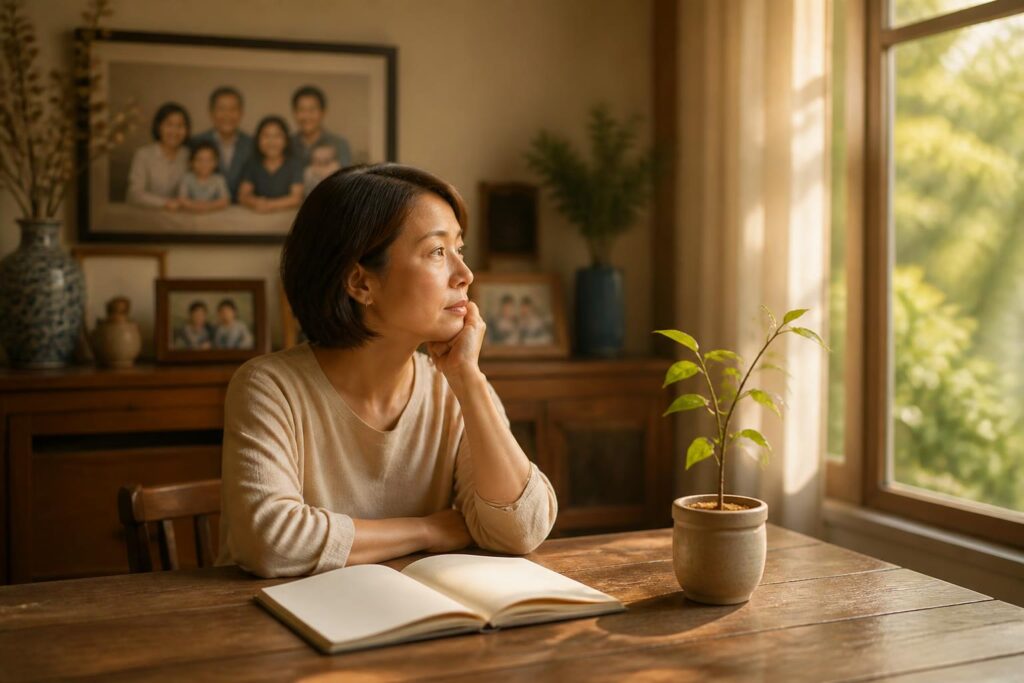
In a Tử Vi chart, the Phúc Đức Palace often raises deeper questions than immediate wealth or success and failure. Here, readers may find signs related to spiritual life, family influence, ancestral traditions, and the ability to maintain stability during turbulent periods. For this reason, the Phúc Đức Palace is of interest not only to those who want to know whether they have “many blessings,” but also to people seeking to understand why, when faced with the same circumstances, each person has a different way of enduring, choosing, and recovering.
However, the Phúc Đức Palace should be approached with clear judgment. Tử Vi is a traditional interpretive system, not a tool that can definitively prove the future or measure a person’s qualities. A chart should not become a reason for someone to feel complacent because they believe they have been favored, nor should it make another person despair because they believe they were born with an unfavorable fate. The practical value of this palace lies in its ability to prompt reflection: What are we inheriting from our family, what worries are we carrying, and how can we proactively build a more peaceful life?
How is the Phúc Đức Palace commonly understood?
In the common view, the Phúc Đức Palace is associated with a person’s spiritual foundation and inner resilience. If the Mệnh Palace is often used to observe temperament, personality, and how a person expresses themselves, the Phúc Đức Palace can be seen as the underlying layer behind them. It is where emotional habits, family beliefs, inherited memories, and ways of facing adversity come together to create an influence that is difficult to see but quite persistent.
The concept of “blessings” in this context should not be narrowed down to good luck or inherited assets. A blessed person may be someone who knows how to maintain peace of mind, has a family or community that supports them, knows when to be content, and is able to rise again after loss. Conversely, someone who possesses many favorable conditions but is constantly anxious, suspicious, angry, or unable to feel joy may not necessarily have a light and peaceful spiritual life.
Therefore, when examining the Phúc Đức Palace, what matters is not finding an absolute conclusion such as “good” or “bad.” It should be considered in relation to the entire chart, the person’s circumstances, and their practical choices. The same sign may manifest differently in each person depending on their education, environment, experiences, and way of cultivating themselves.
The influence of family and tradition
One of the meanings commonly associated with the Phúc Đức Palace is its connection with family, lineage, and values passed down from previous generations. People do not begin life from an empty space. We grow up in homes with particular ways of communicating, things that are encouraged, things that are forbidden, stories that are retold, and wounds that are rarely named. All of these may influence how we view money, affection, responsibility, trust, and safety.
For example, a family that has experienced many upheavals may instill in its descendants a constant need to be on guard. A family that places great importance on achievement may cause young people to become accustomed to proving their worth through results. Some families also pass down a spirit of mutual support, a love of learning, or restrained living habits, thereby giving their descendants a source of support when they encounter difficulties. These influences are not immutable destiny, but they are often part of the foundation that makes certain reactions feel more natural than others.
Viewing the Phúc Đức Palace in this way makes interpretation more humane. Instead of judging someone as “blessed” or “lacking blessings,” we can ask: What spiritual heritage is this person carrying, is that heritage supporting them or weighing them down, and what can they transform within their own generation? This is a more useful approach than simply waiting for fortune or misfortune.
Blessings and the ability to recover from adversity
Life cannot completely eliminate loss, disappointment, or periods of uncertainty. One meaningful aspect to reflect on in the Phúc Đức Palace is the ability to regain balance after circumstances have shaken a person. Some people need a great deal of time to recover but still know how to seek help. Some appear strong on the outside while being weighed down by prolonged fear within. Others cannot avoid upheaval, yet thanks to faith, family affection, or a clear principle of living, they do not lose themselves.
The ability to recover does not come solely from innate personality. It is built through many specific things, such as a safe relationship, adequate sleep, meaningful work, habits of caring for one’s health, and opportunities to be heard. Therefore, if a chart suggests a spiritual life that is easily shaken, that does not mean the person must accept anxiety for the rest of their life. It can serve as a reminder to proactively build a support system for themselves instead of waiting until a crisis occurs before trying to cope.
Conversely, a person believed to have a favorable Phúc Đức foundation should not regard it as a guarantee for every choice. Peace of mind may diminish if a person lives irresponsibly, disregards loved ones, or continually nurtures ambition regardless of the consequences. Blessings, if understood broadly, are always connected to how we use what we have.
The Phúc Đức Palace should not become a judgment
In practice, interpretations of blessings can sometimes easily create feelings of inferiority. Someone who hears that they have “few blessings” may attribute every failure to fate, while someone praised as having “many blessings” may develop a complacent attitude. Both reactions reduce a person’s ability to determine their own course. If used as a means of self-observation, Tử Vi should help people recognize what needs to be adjusted rather than strip them of personal responsibility.
Caution is also needed when linking the Phúc Đức Palace to harsh conclusions about ancestors or family members. No one can fully know a family’s history from just a few symbols in a chart. Stories about previous generations may contain many layers of circumstances, social limitations, and difficult choices that later generations did not witness. Therefore, it is more appropriate to view them as symbols for reflecting on family influence, rather than definitively claiming that a current event is “karma” created by someone else.
Examining a chart should also not replace necessary support in everyday life. When someone experiences prolonged anxiety, insomnia, emotional collapse, or serious family conflict, they need to turn to trusted people and appropriate sources of help. An astrological interpretation cannot replace medical care, psychological counseling, or practical decisions related to safety and finances.
Nurturing “blessings” through everyday actions
If the Phúc Đức Palace is regarded as an invitation to examine one’s spiritual foundation, each person can begin with small but repeated actions. First is learning to identify emotional patterns within the family. Do we often remain silent when hurt, react harshly when criticized, or try to please everyone? Once we recognize these patterns, we have taken the first step toward not passing them on unchanged to our subsequent relationships.
Next is building a life with a sustainable pace. Resting at the right time, keeping promises within our ability, knowing how to apologize, and maintaining healthy connections are all ways of creating a sense of safety. These actions are not glamorous, but they make the inner self less dependent on external luck and misfortune. A person who knows how to care for themselves is also more likely to treat others kindly, thereby creating a positive cycle of influence within the family.
Nurturing blessings can also begin with using one’s resources responsibly. Helping others does not necessarily require a grand act; sometimes it means listening without rushing to judgment, sharing an opportunity, maintaining fairness at work, or refusing to harm vulnerable people simply to gain a short-term benefit. Such choices contribute to the formation of character and credibility, while also giving the person who makes them a sense of living meaningfully.
Reading the Phúc Đức Palace as a reminder to remain mindful
The Phúc Đức Palace can be viewed as a symbolic mirror of what lies behind everyday behavior. It reminds us that a person is shaped not only by goals, money, or social position, but also by their ability to remain calm, their relationships, and how they treat what they have inherited. When reading this palace, we should observe both strengths and areas of vulnerability, both the support and the burdens that are present.
Ultimately, blessings should not be understood as a fixed gift beyond our reach. Regardless of how much one believes in Tử Vi, each person can still choose how to speak with loved ones, how to care for their health, how to respond to adversity, and how to use their influence. Repeated choices gradually create a spiritual environment for oneself and those around them. A chart may open up questions, but it is the life cultivated each day that forms the answers.

ARTICLES IN THE SAME CATEGORY
The Phúc Đức Palace in a Tử Vi Chart: The Foundation of Inner Well-Being and How to Cultivate Peace
The Career Palace in a Tử Vi Chart: Career Direction and How to Build Your Position
The Career Palace in a Tử Vi Chart: Career Direction and How to Develop One’s Abilities
The Wealth Palace in a Tử Vi Chart: A Perspective on Money, Habits, and Management Skills
The Phúc Đức Palace in a Tử Vi Chart: Family Foundations and Mental Resilience
The Quan Loc Palace in a Tử Vi Chart: Understanding Career Through Ability, Choices, and Actions
ARTICLES IN THE SAME GENRE
The Bystander Effect: Why Do We Hesitate Before Helping Someone in Need?
The Default Choices Quietly Shaping Our Lives
Familiarity Is Not Always the Truth
Memory Is Not a Video Camera: Understanding It Clearly to Look Back at Ourselves
When Belief Guides the Way We See the World
Knowing When to Ask: A Skill That Opens the Door to Deeper Conversations