
Horoscopes · 9 November, 2026
The Phúc Đức Palace in Tử Vi: Spiritual Foundations and How a Person Navigates Turbulence

In a Tử Vi chart, many people tend to focus first on the Mệnh Palace, Tài Bạch Palace, or Quan Lộc Palace because these positions are associated with personality, money, and one’s career path. However, when seeking to understand why some people remain steady in the face of adversity while others easily lose their bearings despite relatively favorable external conditions, practitioners often turn to the Phúc Đức Palace. This is an area with many layers of meaning, related to spiritual life, family traditions, the way a person receives and responds to upheaval, and the ability to find support during difficult times.
The Phúc Đức Palace should not be understood simply as a declaration that someone is “blessed” or “lacking blessings.” Such an approach can easily turn Tử Vi into a rigid system of judgments, whereas the essence of interpretation is to observe multiple signs and place them within a specific context. A chart may suggest certain tendencies, but each person’s way of living, choices, relationships, and ability to adapt still play important roles. Reading the Phúc Đức Palace can therefore be a way to reflect on one’s spiritual foundations, rather than waiting for an absolute conclusion about the future.
Through Which Aspects Is the Phúc Đức Palace Commonly Viewed?
At the first level of meaning, the Phúc Đức Palace is associated with inner life. It encompasses a sense of peace or unease, the ability to rest after pressure, and the beliefs a person relies on when facing the unknown. Some people achieve many accomplishments but live constantly in fear of loss. Conversely, some do not possess many favorable conditions yet know how to be content, find balance, and recover fairly well after failure. When interpreting the Phúc Đức Palace, these differences deserve no less attention than outward manifestations.
The second aspect concerns the influence of family and tradition. Daily habits, the ways adults resolve conflicts, and attitudes toward responsibility, money, honor, or sacrifice can all leave imprints on the psychology of later generations. Someone raised in an environment that values sharing may find it easier to seek support when facing difficulties. A person who has witnessed a great deal of conflict, on the other hand, may develop habits of silence, avoidance, or always preparing for the worst-case scenario. Traditional Tử Vi often uses the Phúc Đức Palace to suggest the connection between the individual and family traditions, but interpretation should avoid mechanically assigning blame to ancestors or relatives.
The third aspect is the ability to receive assistance in life. Such assistance does not necessarily mean money or a major opportunity. Sometimes it is someone willing to listen, a family that respects personal choices, a trustworthy community, or each person’s own ability to calm themselves. When examining the Phúc Đức Palace, it is worth asking broader questions: Where does this person usually seek support? Do they know how to accept help? And are they capable of becoming a source of support for others?
The Phúc Đức Palace Should Not Be Read as a Fixed Judgment
One of the common mistakes when learning about Tử Vi is isolating a single palace and using it to draw conclusions about an entire life. The same applies to the Phúc Đức Palace. A few factors considered favorable do not mean that a person will always be lucky, while signs viewed as challenging do not necessarily indicate an unhappy life. Each palace needs to be considered in relation to the entire chart, different periods of fortune, and especially the actual circumstances of the person being interpreted.
Even when they share a similar configuration, two people may have very different experiences because they live in different eras, families, professions, and social circumstances. A person with strong spiritual foundations can still encounter major upheaval. The difference lies in how they respond, how quickly they recover, and what lessons they draw from the event. Conversely, someone with favorable external conditions may still find a sense of fulfillment difficult to attain if they habitually dismiss their emotions, lack the ability to connect, or are constantly haunted by anxiety.
Therefore, when reading the Phúc Đức Palace, the appropriate language should be one of tendencies and possibilities. Instead of saying that someone will certainly receive the support of benefactors, one might consider whether they are likely to build a trustworthy network. Rather than asserting that a family will inevitably bring unhappiness, it is better to observe which patterns are repeating and how the individual might change them. A cautious approach to interpretation helps Tử Vi become a tool for reflection, without creating additional fear or dependence.
The Relationship Between Blessings and Everyday Ways of Living
In folk beliefs, blessings are often associated with doing good deeds, maintaining integrity, and being considerate of others. From a practical perspective, these behaviors also contribute to creating a healthy living environment. People who keep their word, behave appropriately, and are willing to help when they can often build lasting trust. When they encounter difficulties, those relationships can become a practical source of encouragement. This is not a promise that doing one good deed will immediately bring a reward, but an observation about how long-term behavior forms credibility and connection.
The Phúc Đức Palace can also be cultivated through very ordinary things. A meal kept at a regular time, a conversation not interrupted by phones, the habit of apologizing after hurting someone, or taking care of one’s mental health all help create a stable foundation. Some people turn to concepts related to destiny only when they are in crisis, but peace is often built beforehand through small choices repeated each day.
In particular, it is important to distinguish kindness from limitless self-sacrifice. Someone who always takes the disadvantage upon themselves does not necessarily have a strong spiritual life. If they give because they fear abandonment, want recognition, or do not dare to say no, kindness can turn into exhaustion. Cultivating the Phúc Đức Palace does not mean accepting every demand made by others. It also means knowing how to protect one’s dignity, set clear boundaries, and take responsibility for one’s own choices.
How to Reflect on Oneself When Exploring the Phúc Đức Palace
Instead of asking only whether “this palace is good or bad,” readers can begin with several specific questions. When facing upheaval, whom do I usually turn to, or do I withdraw into myself? In my family, which issues are commonly discussed, and which are always avoided? Can I truly rest, or do I merely temporarily forget pressure by overworking, shopping, or seeking approval? These questions help bring interpretation from the abstract realm closer to lived experience.
Next, one can observe patterns that repeat over time. Someone who continually enters relationships in which they have to rescue the other person may be confusing love with taking responsibility on someone else’s behalf. A person who always postpones decisions for fear of disappointing their family may need to reconsider their beliefs about duty. Someone who frequently denies their own achievements may be carrying an old notion that humility means not being acknowledged. If read as a mirror, the Phúc Đức Palace can help make these things clearer.
Finally, turn awareness into manageable action. One might begin by maintaining a stable routine, restoring contact with someone trustworthy, learning to clearly express one’s needs, or seeking professional support when stress persists. There is no need to turn “improving one’s fortune” into a burdensome project. Sustainable change often comes from small steps carried out consistently and suited to one’s circumstances.
The Meaning of the Phúc Đức Palace in Modern Life
In modern life, people may connect with many others and still feel lonely. Work may provide income while also taking away time for rest. The family may remain a familiar place, but generational differences can make sharing no longer as easy as it once was. Therefore, looking at the Phúc Đức Palace can serve as a reminder that quality of life is not measured only by achievements, assets, or social position. The ability to live in accordance with one’s values, maintain healthy relationships, and recover from pressure are also significant forms of achievement.
However, the concept of blessings should not be used to blame people who are experiencing difficulties. Illness, job loss, breakdowns, or psychological wounds do not always arise from an individual’s way of living. Some circumstances require support from family, the community, and professional services and cannot be resolved with a few words of advice about destiny. Tử Vi has value only when placed alongside empathy, reason, and respect for each person’s right to self-determination.
The Phúc Đức Palace can therefore be seen as an invitation to return to a fundamental question: What am I living by, and what helps me avoid losing myself when circumstances change? The answer does not necessarily lie in a single sign in the chart. It may reveal itself through the way we keep our word, treat our family, accept help, care for ourselves, and repair patterns that are no longer suitable.
Understanding the Phúc Đức Palace in this way can make the practice of Tử Vi less dependent on anxiety about what is good or bad. A spiritual foundation is not an unchanging gift granted in advance; it is formed through memories, relationships, choices, and the way we face what we cannot control. When we learn to look back without judging ourselves, each person can actively create more peace for themselves and help bring that peace to those around them.
Related articles
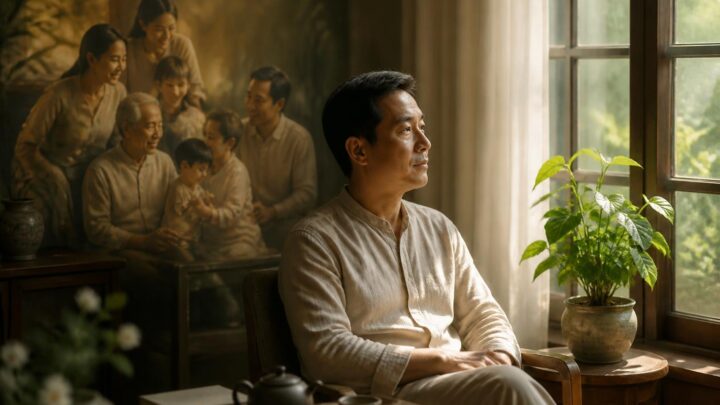
The Phúc Đức Palace in Tử Vi: Spiritual Foundations and How a Person Navigates Life’s Turbulence
What Does the Phúc Đức Palace Say About? In the Tử Vi system, each palace is often used as a symbolic lens through which to reflect on an aspect of human life. If the Quan Lộc Palace commonly evokes a person’s career path, and the Tài Bạch Palace relates to how someone approaches money, then
Read more
The Career Palace in Tử Vi: Understanding Career Direction Through Abilities and Choices
In modern life, questions about careers are not limited to choosing a job with a stable income. Many people also wonder whether that work suits their personality, gives them a sense of meaning, and creates room for long-term growth. From the perspective of Tử Vi, the Career Palace is often used to reflect on one’s
Read more
The Career Palace in Tử Vi: Reading Career Direction Through Abilities and Choices
In life, questions about work often go beyond simply making a living. Many people want to know which environments suit them, whether they should develop along a specialist or management path, and why there are periods when work progresses smoothly before suddenly coming to a standstill. Tử Vi approaches these concerns through various palaces and
Read more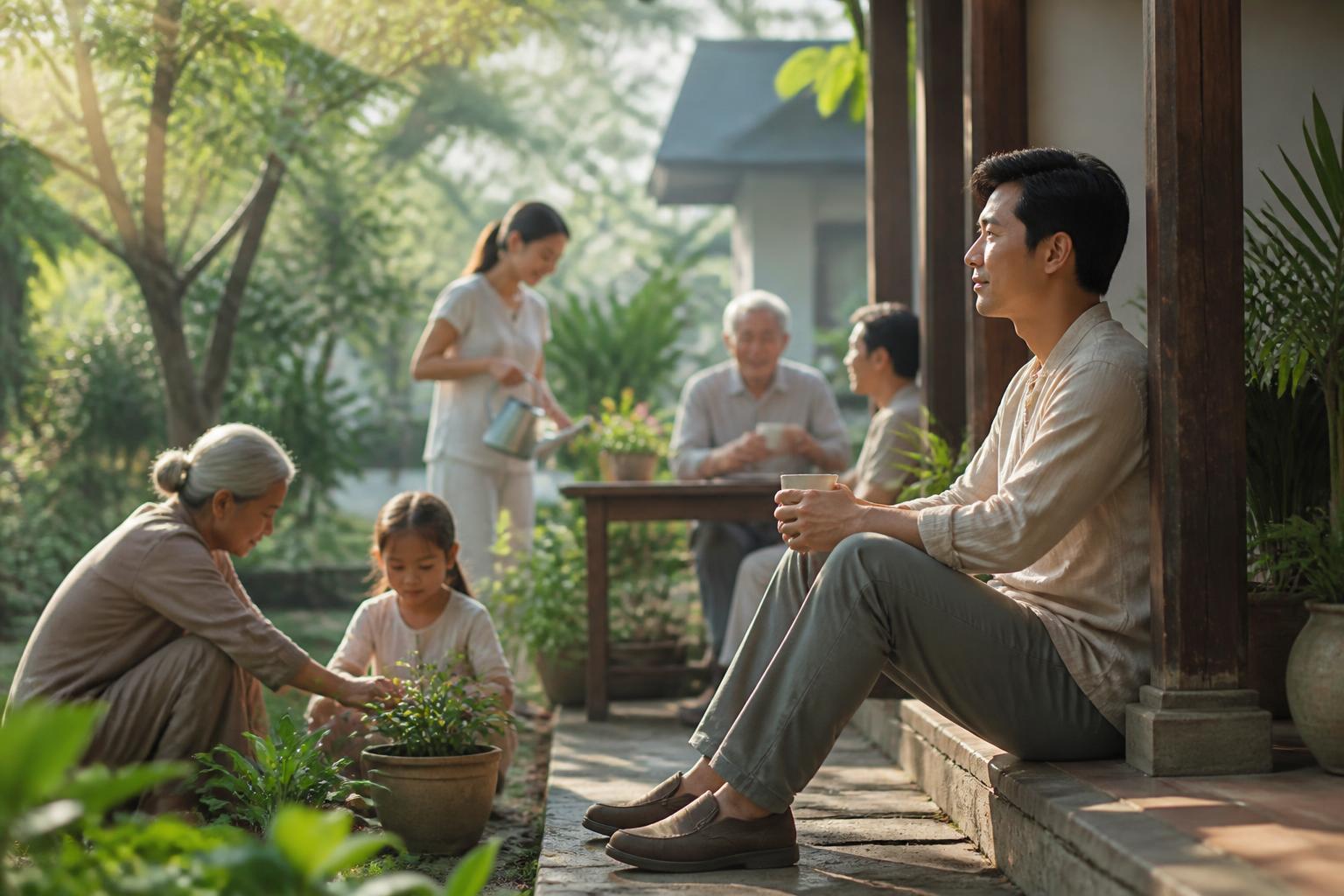
The Phúc Đức Palace in Tử Vi: Spiritual Foundations and How Each Person Creates Their Own Blessings
In the Tử Vi system, many people often focus on the Mệnh Palace, Tài Bạch Palace, or Quan Lộc Palace because these are areas associated with personality, money, and career paths. However, if one wants to gain a deeper understanding of mental resilience, inner life, and how a person seeks peace, the Phúc Đức Palace
Read more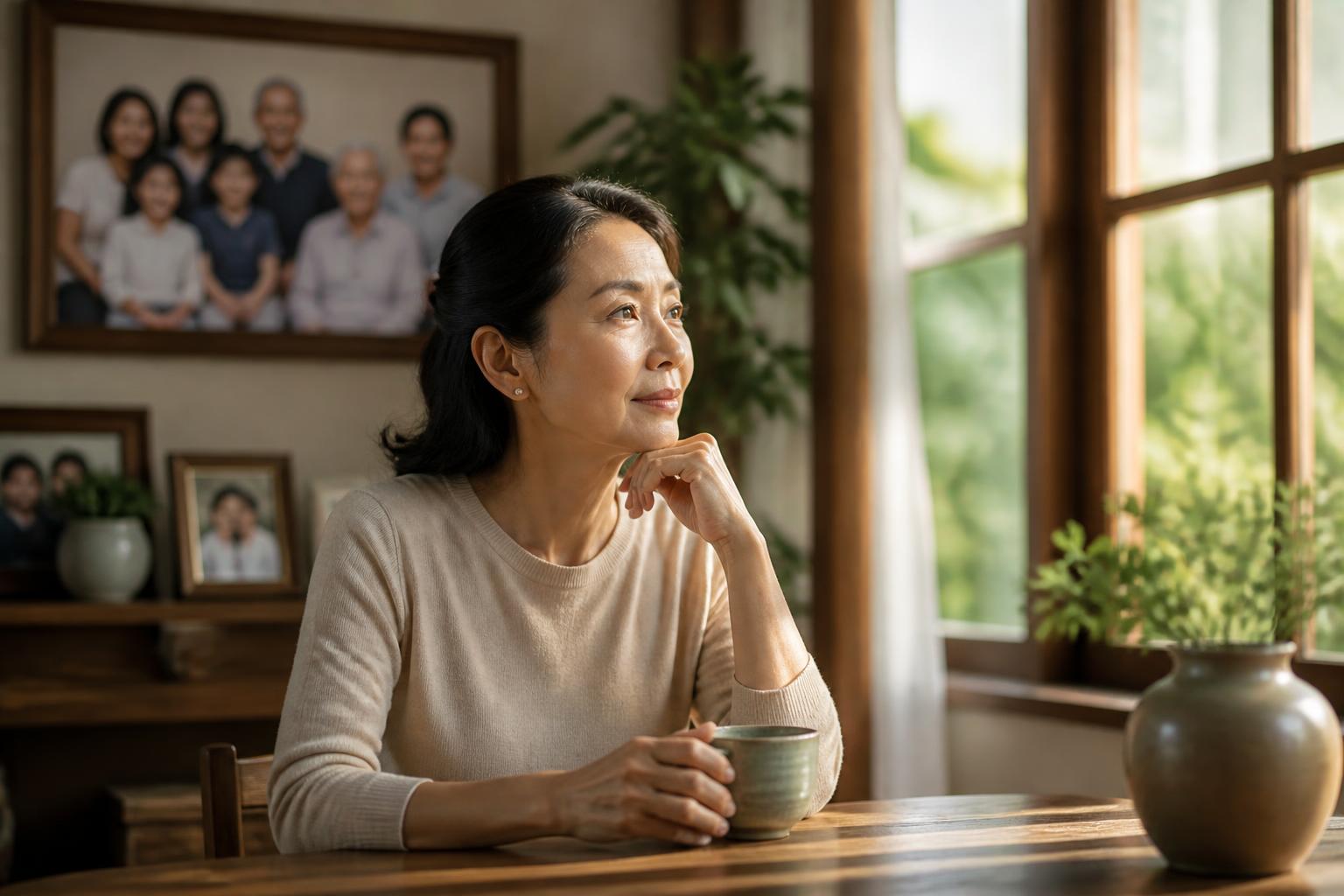
The Phúc Đức Palace in Tử Vi: The Spiritual Foundation Behind Life’s Turning Points
In a Tử Vi chart, there are palaces that are often mentioned when people want to learn about their careers, finances, or romantic relationships. However, behind these more visible aspects lies a quieter foundation: spiritual life, family patterns, a sense of belonging, and the ability to find peace. The Phúc Đức Palace is often used
Read more
The Career Palace in Tử Vi: Reading the Career Path Through Abilities and Choices
In the process of learning about Tử Vi, many people are often interested in the Career Palace because they want to know which kinds of work suit them, whether they have the potential to advance, and whether they should work as employees, go into business, or pursue a specialized profession. These questions arise from very
Read more